
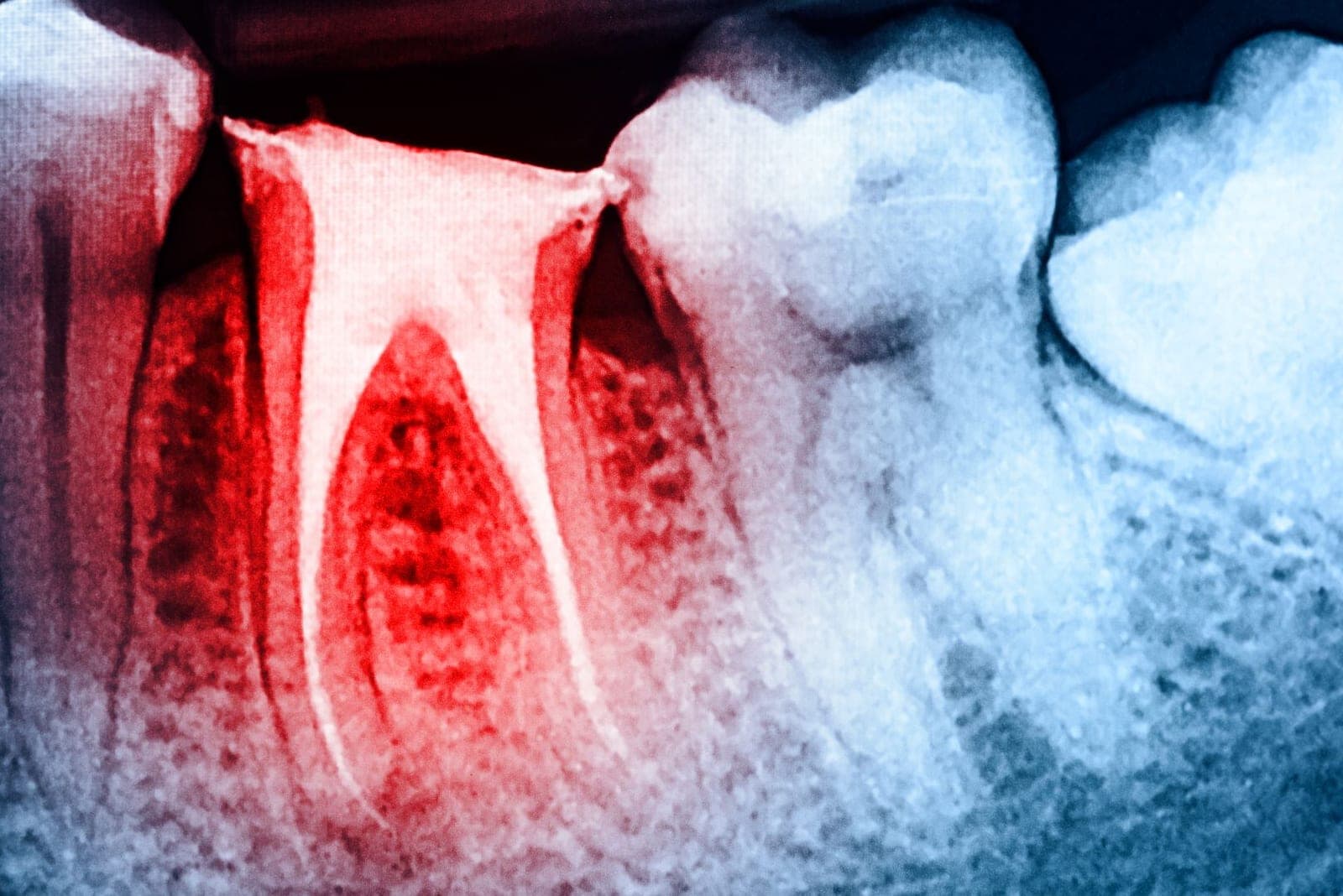
Root Canal Therapy
When the pulp inside a tooth gets infected, a root canal clears the infection and keeps the tooth. It is usually less painful, and less expensive, than losing the tooth would be.
- Visits
- 1 to 2 appointments
- Anesthetic
- Local, fully numbed
- Performed by
- Our on-site endodontist
- Back to normal
- A day or two of soreness
Every service is quoted up front, before we start. All PPO insurances accepted.
The service
Save the tooth, skip the extraction.
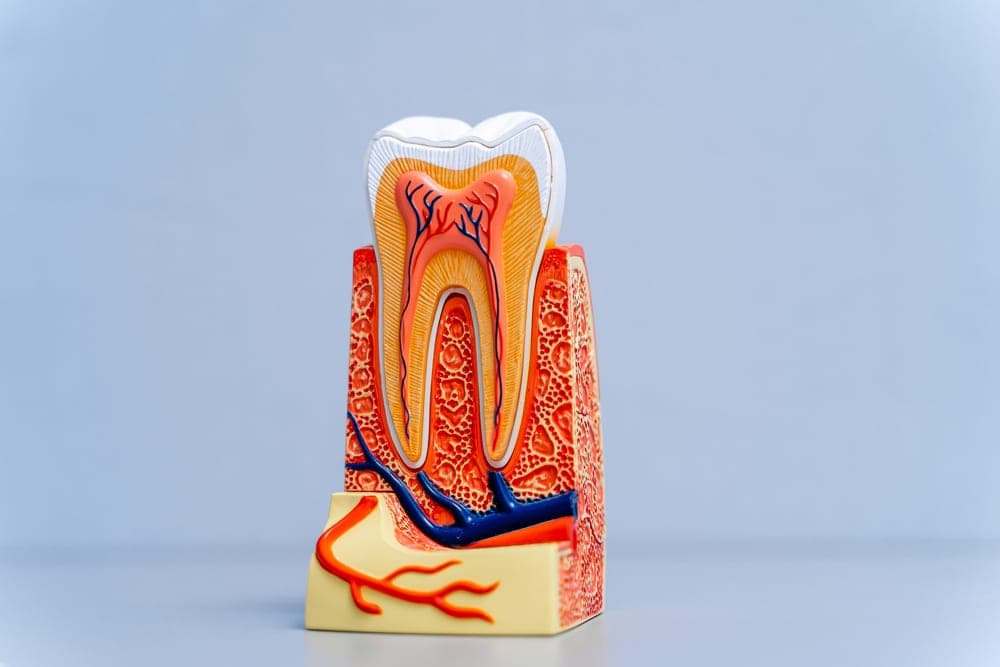
Inside every tooth is the pulp: the soft tissue carrying its nerves and blood supply. Deep decay, a crack or an injury can let bacteria in, and once infection takes hold the choice is simple: clear it, or lose the tooth.
A root canal removes the infected pulp, cleans and shapes the canals, and seals them with a biocompatible filling. Restored with a crown or permanent filling, the tooth goes back to work like any other.
Root canal therapy here is performed by Dr. Parham Mansouri, our on-site endodontist, UCLA trained with a certificate in endodontics. Nothing gets referred across town.
What happens
How a root canal goes.
Most cases are finished in one or two visits, and the tooth is numb throughout.
Evaluation
X-rays confirm the infection and map the canals before anything starts.
Numbing
A local anesthetic numbs the tooth completely. You feel working pressure, not pain.
Clearing the infection
Working through a small opening, the infected pulp is removed and each canal is cleaned and shaped.
Filling and sealing
The canals are filled with gutta-percha, a biocompatible material, and sealed against reinfection.
The restoration
A crown or permanent filling rebuilds the tooth, and a follow-up visit checks the healing.
Is it for you
Worth asking about if.
You do not need to match every line. Any one of them is reason enough to ask.
- A tooth aches on its own, without biting or chewing
- Hot or cold lingers as pain long after the drink is gone
- The gum near one tooth is swollen or tender
- A tooth has darkened after an injury
- You have been told the tooth needs extraction
Afterwards
Afterwards.
Some soreness and sensitivity for a few days is normal and settles with over-the-counter pain relief. Chew on the other side until the permanent restoration is placed.
Call the office if:
- Pain is getting worse after the first few days
- Swelling returns around the treated tooth
- The temporary filling comes loose
Common questions
Answering your questions.
Is a root canal painful?
The procedure is done under local anesthesia, so you should not feel pain while it happens. Expect some soreness during recovery, managed with ordinary pain relief.
How long does a root canal take?
Usually one or two appointments, depending on how far the infection has spread.
Why not just pull the tooth?
A root canal keeps your own tooth, and it is usually less painful and less expensive than an extraction followed by a replacement.
Can the tooth get infected again?
It is possible, though uncommon. Proper home care and regular check-ups are the best protection.
Your first visit
One ticket covers it.
360 Dental · Admit one