

Porcelain Veneers
Thin ceramic shells bonded to the front of your teeth, each one designed for your face by our ceramist. Nothing else matches healthy enamel as closely.
- Visits
- Usually three, with a try-in stage
- Anesthetic
- Local, for preparation
- Results last
- Well over a decade with care
- Staining
- Resists coffee, tea and smoke
Every service is quoted up front, before we start. All PPO insurances accepted.
The service
The flagship fix for front teeth.
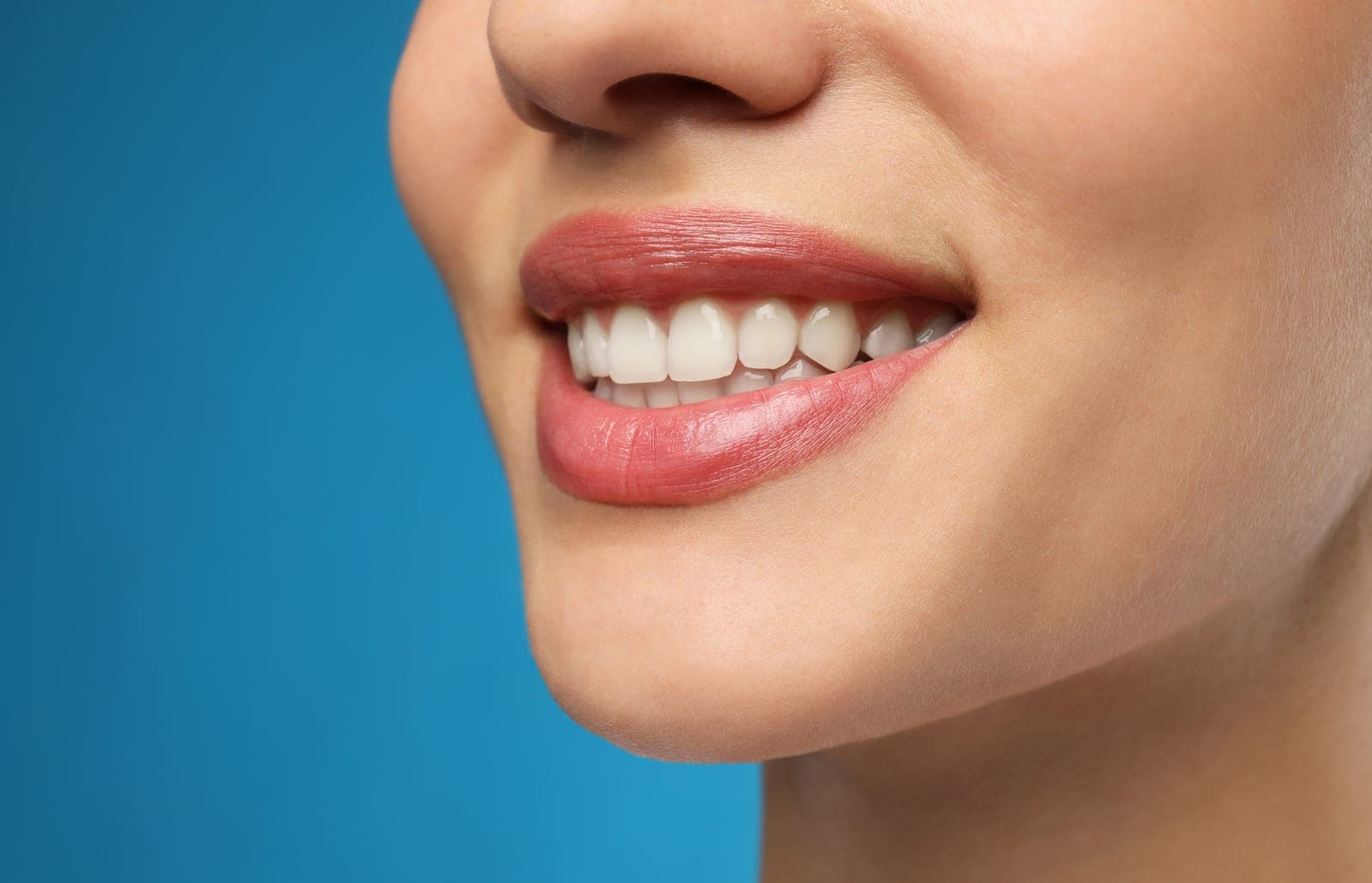
A porcelain veneer is a very thin ceramic shell bonded to the front surface of a tooth. Done well, it is hard to spot as anything but a tooth: porcelain stands up to daily use and catches the light the way enamel does.
The difference here is the workflow. Your veneers are designed individually against photographs of your face and teeth, with translucence and color data captured so the ceramic reads as tooth, not tile. Dr. Danoukh bonds them with materials that have a long track record in the mouth.
You wear temporary veneers first and approve the look before anything is final. If the shape or shade is not right, we change it at the temporary stage, not after.
Before / after
What veneers rebuild.
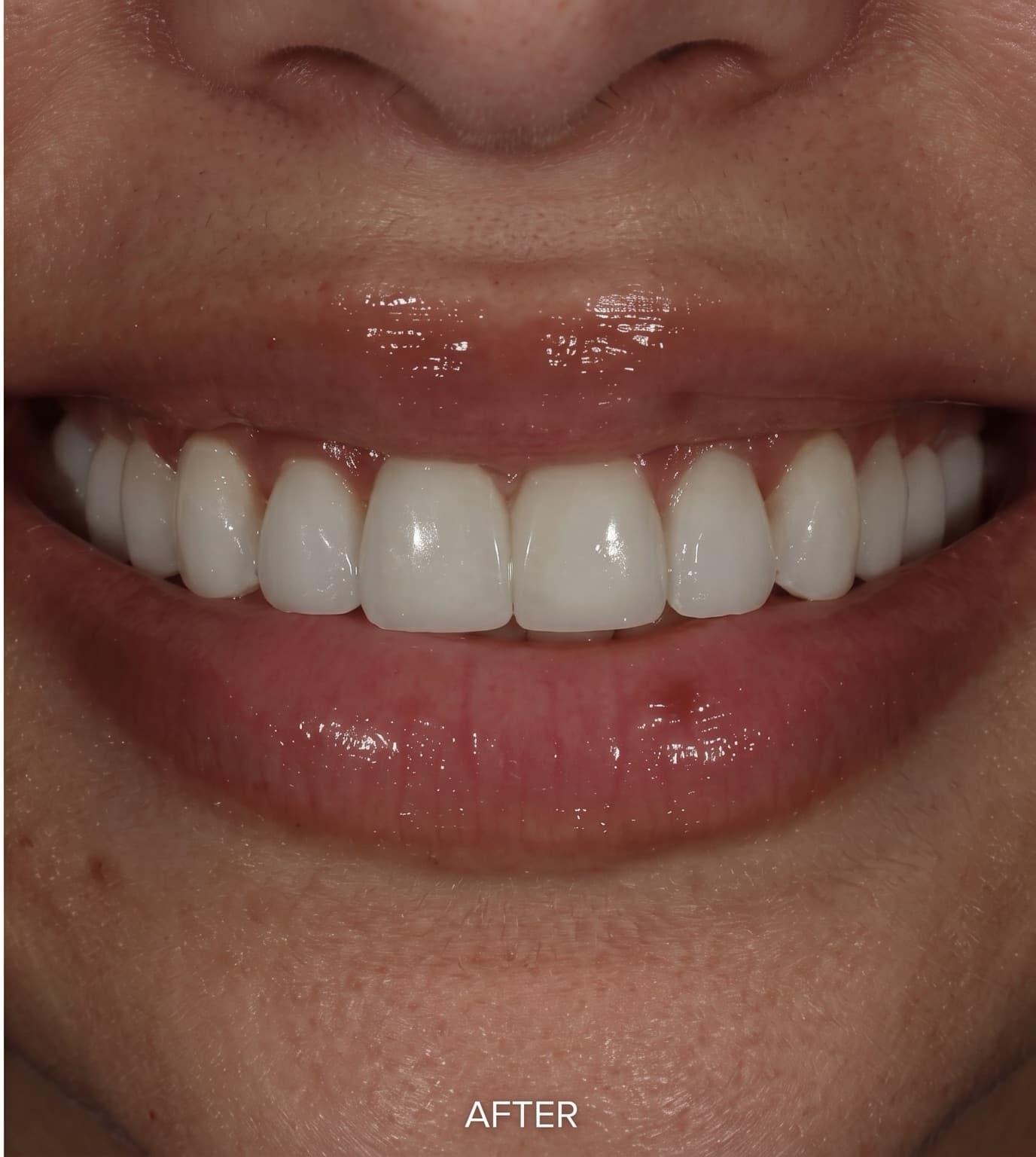
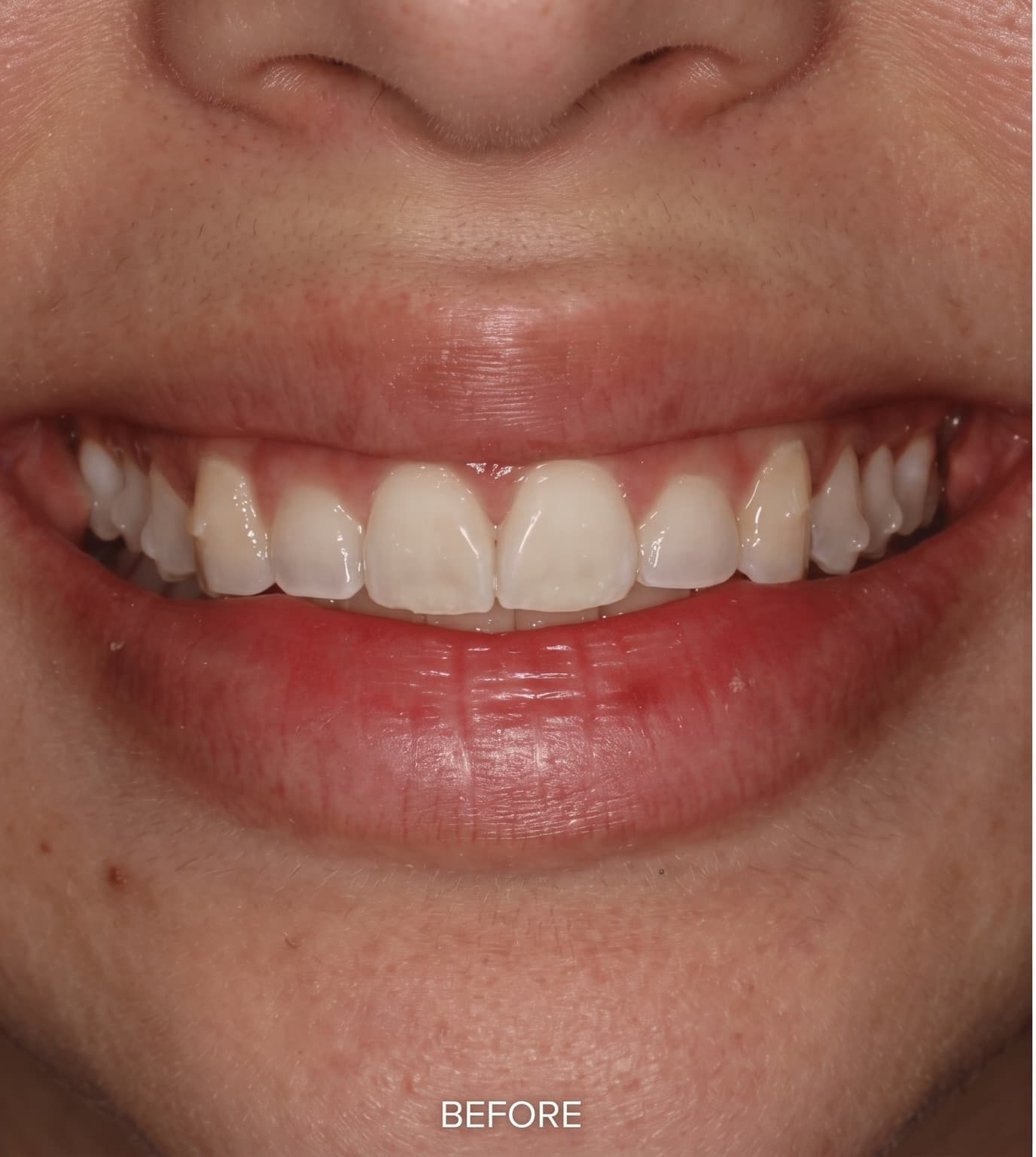
Illustration: short, worn front teeth reshaped with veneers · drag to compare.
An illustration of the change, not a photo of a 360 Dental patient. See real cases in the smile gallery
What happens
How it works.
Assessment
X-rays check for misalignment and decay, and we examine your gums. Any health issues are treated before cosmetic work starts.
Preparation
A minuscule layer of enamel comes off the front of each tooth so the veneer sits thin and natural at the gum line, then we take an impression.
Try-in
You wear temporary veneers and live with the look. We adjust shape and shade until you approve them.
Design
Our porcelain ceramist works from photographs of your face and teeth, plus translucence and color data, to craft the final set.
Bonding
Once you love the result, the finished veneers are fully bonded in place.
Is it for you
Worth asking about if.
You do not need to match every line. Any one of them is reason enough to ask.
- Front teeth are chipped, cracked or worn
- Discoloration is too deep for whitening to shift
- Small gaps spoil an otherwise healthy smile
- Your front teeth are uneven or asymmetrical
- You want the most natural-looking result available
Afterwards
Keeping them flawless.
Porcelain asks nothing special: brush, floss and keep your checkups. For the first few days after bonding, stay off hard, crusty foods such as toast while the veneers settle. After that, eat normally.
The porcelain itself resists coffee, tea and cigarette stains, but the tooth underneath can still decay, so ordinary hygiene is what makes a set last well over a decade.
Call the office if:
- A veneer chips or feels loose
- Your bite feels off after bonding
- Gum soreness does not settle within a week
Common questions
Answering your questions.
Will they look like normal teeth?
Yes. Bonded in place, a well-made porcelain veneer is hard to tell from the tooth beside it, because the ceramic carries the same translucence as enamel.
How long do porcelain veneers last?
With proper care, well over a decade.
Do veneers ruin the teeth underneath?
Not when placed by a trained cosmetic dentist. The prepared tooth is sealed under the veneer; it simply still needs everyday hygiene, like any tooth.
Can I eat whatever I like?
In most cases yes. Just keep to softer foods for the first days after fitting, and avoid crusty bread while everything beds in.
More in Cosmetic Dentistry
Your first visit
One ticket covers it.
360 Dental · Admit one