
Restorative Dentistry
Root Canal and Cracked Tooth: Is It Fixable Afterward?
Published 8 min read

Dealing with a root canal and cracked tooth at the same time? You're probably wondering if the tooth can still be saved. The short answer: yes. In most cases, a root canal tooth that cracks can still be treated and kept in your mouth. The right fix depends on where the crack is and how deep it runs.
This guide covers why teeth crack after a root canal, the warning signs to watch for, and when a crown, a retreatment, or an extraction is the right call. Getting it checked quickly at 360 Dental in Van Nuys makes a real difference.
How Are a Root Canal and Cracked Tooth Connected?
Yes, a treated tooth can crack because a root canal removes the nerve and blood supply that once kept it flexible. That leaves the tooth drier and more brittle over time. Without a protective crown, everyday biting and grinding forces slowly wear down the remaining structure until it fractures.
A root canal treats the infection or damage inside the tooth. It does not add strength back to the outer walls. Endodontist Dr. Parham Mansouri, DDS, MS, sees this most often in molars used for heavy chewing, and in teeth that never received a permanent crown after treatment. According to MouthHealthy.org, an ADA patient resource, a root-canal-treated tooth is more prone to fracture without a crown because it no longer has living tissue to absorb chewing stress. Grinding your teeth at night, biting on hard foods like ice or popcorn kernels, and old fillings that no longer support the tooth all raise the odds of a fracture.
What Are the Signs of a Cracked Tooth After a Root Canal?
The most common signs are sharp pain when chewing, sensitivity to hot or cold, and a visible chip or line on the tooth's surface. Some cracks cause pain only when you release a bite. That is a classic clue the crack runs deeper than it looks.
Swelling near the gum line, a bad taste, or a small bump that looks like a pimple on the gum can point to an infection reaching the crack. Not every crack hurts right away. That's why routine exams matter, even when a root canal tooth feels fine day to day. Regular dental visits catch about 80% of oral health problems before they turn serious, according to the ADA. A cracked tooth is exactly the kind of issue that is easier to fix the earlier it's found.
Is a Cracked Root Canal Tooth Always a Dental Emergency?
No, not every crack needs same-day care. A few signs do, though: sudden swelling, a fever, a bad taste, or a piece of the tooth breaking off completely. Those point to infection or a fracture that could worsen quickly without treatment.
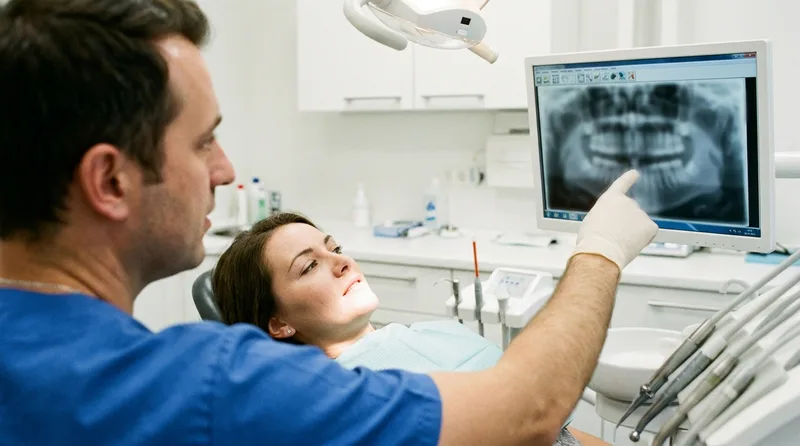
A hairline crack with mild sensitivity can usually wait for the next available appointment. When in doubt, call our emergency dentistry team in Van Nuys. A quick exam and X-ray settle the question far better than guessing at home. An untreated infection around a cracked tooth can spread beyond the tooth itself within about 48 hours, according to the ADA Health Policy Institute. That is one reason we would rather see you and rule it out than have you wait it out. Dental problems like this cause roughly 2 million emergency room visits a year in the US, per the same ADA data, and most of those visits could have been avoided with an earlier dental exam.
Related: If the tooth was already retreated once, the concern may be reinfection rather than a crack. Read about failed root canal symptoms and causes →
Can a Cracked Tooth After a Root Canal Be Fixed?
Yes, most cracked root canal teeth can be fixed, especially when the crack is caught early and stays above the gum line. A crown, sometimes paired with a supportive post, typically restores the tooth's strength and shape.
The main factor is depth. A crack limited to the visible crown of the tooth is usually repairable. One that travels down through the root is sometimes called a vertical fracture. That type is harder to save, since it opens a path for bacteria along the entire root surface. Your dentist checks the depth with an X-ray and a close visual exam. From there, they explain which repair options actually apply to your tooth before any work begins. The table below is a simple way to think about it.
| Crack Location | Likely Outcome | Typical Treatment |
|---|---|---|
| Above the gum line | Usually fixable | Crown, sometimes with a post |
| At the gum line | Often fixable | Crown plus gum recontouring, case by case |
| Through the root (vertical) | Usually not fixable | Extraction and replacement |
Treatment Options: From a New Crown to Extraction and Replacement
Treatment ranges from a simple crown to full extraction, depending on how much healthy tooth structure remains. Your dentist chooses the option that keeps the tooth functional for the longest time without repeated problems.
- Dental crown: Covers and protects a tooth with a crack confined to the visible portion.
- Post-and-core buildup: Adds internal support before a crown when a lot of structure is missing.
- Endodontic retreatment: Reopens the tooth if the crack has let in new infection alongside the fracture.
- Extraction and replacement: Removes the tooth when the crack runs too deep, followed by a dental implant or bridge to fill the gap.

Dental implants have a success rate of 95-98% over ten years, according to the Journal of Oral and Maxillofacial Surgery. So replacing a tooth that truly can't be saved is still a reliable long-term option. Our in-house restorative dentistry team can walk you through which choice fits your tooth and budget, including financing if you do not have dental insurance.
When Is Extraction the Only Option?
Extraction becomes necessary when a crack extends vertically through the root or below the gum line. A fracture in either spot cannot be sealed off from bacteria, so no crown or filling can restore a stable, infection-free tooth.
Warning signs of this more serious damage include a tooth that feels loose, a crack visible below the gum during an exam, or an infection that keeps returning after retreatment, even when the earlier treatment seemed to go well.
Removing the tooth early often prevents bone loss and protects the neighboring teeth. It can feel discouraging after already going through a root canal. But a well-placed implant or bridge afterward can look and function like the rest of your natural teeth, and most patients adjust to it within a few weeks. Waiting rarely helps in these cases. A deeply cracked tooth tends to get more uncomfortable, not less, the longer it's left in place.
How Can You Protect a Root Canal Tooth From Cracking Again?
You can protect a root canal tooth by getting a crown placed soon after treatment. An uncrowned tooth is far more likely to fracture under normal chewing pressure, since a crown spreads the biting force evenly instead of concentrating it in one weak spot.
- Get a permanent crown placed as soon as your dentist recommends it, not months later.
- Wear a night guard if you grind or clench your teeth while sleeping.
- Avoid biting ice, hard candy, popcorn kernels, or using teeth to open packages.
- Keep up with regular checkups so small cracks are caught before they spread.
Most of these habits take only a few minutes to build into your routine. According to WebMD, a properly crowned root canal tooth can function well for many years, which makes that early protection well worth the effort. It's a small step now that can save you a much bigger repair later.
What Should You Do Right Now If You Think Your Tooth Cracked?
If you suspect a crack and the tooth is bothering you, avoid chewing on that side and rinse gently with warm water. Then call your dentist the same day for an exam. Acting quickly gives you the best chance of a simple repair instead of an extraction.

Skip aspirin placed directly on the gum, since it can burn soft tissue. Avoid very hot or cold foods until the tooth is checked, too. A short phone call to our office can tell you whether same-day care makes sense for your situation.
Results may vary. Please consult with your dentist at 360 Dental for personalized treatment recommendations.
A root canal and cracked tooth together sound alarming, but it rarely means the tooth is a lost cause. The sooner it is examined, the more options you have. That ranges from a straightforward crown to a replacement that protects your bite for years to come. Nearly 1 in 4 adults in the US already has untreated tooth decay, according to CDC data, so you are far from alone in needing a closer look at your dental health.
Think Your Root Canal Tooth Cracked?
Our Van Nuys team, including in-house endodontist Dr. Parham Mansouri, DDS, MS, can examine the tooth and explain your options the same week.
Prefer to talk it through first?
Common questions
How do I know if my root canal tooth is cracked?
Watch for sharp pain when you bite down and release, along with sensitivity to hot or cold and any visible line or chip on the tooth. Swelling near the gum can also signal that a crack has let in an infection, so an exam is worth scheduling.
Can a cracked tooth heal on its own after a root canal?
No, a cracked tooth cannot heal on its own because tooth structure does not regenerate the way bone does. Without treatment, a small crack usually worsens over time, so seeing a dentist early keeps your options open.
Is it painful to fix a cracked root canal tooth?
Treating a cracked root canal tooth is done with local anesthetic, so you should feel pressure rather than discomfort during the procedure itself. Most patients report mild soreness afterward that fades within a few days.
How much does it cost to fix a cracked tooth after a root canal?
Cost depends on whether the fix is a crown, a post-and-core buildup, or an extraction with replacement. 360 Dental accepts PPO insurance and offers CareCredit, Sunbit, and Cherry financing, plus the 360-VIP membership plan for patients without insurance.
Can a cracked tooth after a root canal get infected?
Yes, a crack can let bacteria reach the inside of the tooth or the surrounding gum, leading to swelling, a bad taste, or a small bump on the gum. Left untreated, that infection can spread beyond the tooth, so prompt care matters.
Did this answer your question?
Written for general reading, not as advice about your own teeth. Nothing here replaces an examination: if something hurts, or has changed, book a visit and let a dentist look at it.
Read next
 7 min readJaw Pain and Clicking: What Your Symptoms Really Mean Jaw pain and clicking can mean several different things. Learn what your symptoms point to, when it signals TMJ, and when to see a dentist.Read the article
 7 min readSenior Dental Care in Van Nuys: What Changes With AgeSenior dental care in Van Nuys: learn about dentures, cleanings, gum health, and easy financing options for older adults at 360 Dental.Read the article
 8 min readFailed Root Canal: Symptoms, Causes & What Happens Next Wondering what a failed root canal looks like? Learn the symptoms, common causes, and what happens next at 360 Dental in Van Nuys.Read the article
Your first visit
One ticket covers it.
360 Dental · Admit one