
Restorative Dentistry
Botox for TMJ: How Jaw Tension Relief Works in Van Nuys
Published 13 min read

Botox for TMJ has almost nothing to do with wrinkles, which is the first thing worth clearing up. Same substance, different muscles, different goal. Instead of softening expression lines, the injections target the chewing muscles that clench through the night and leave your jaw aching by breakfast.
That therapeutic use sits in a different category from cosmetic treatment, and it belongs in the hands of someone who also examines your bite and your tooth wear. At 360 Dental it forms part of TMJ and TMD treatment rather than a standalone esthetic service.
Here is what the treatment actually does, what it does not do, how long it lasts, and the honest limits worth knowing before you consider it.
What Is Botox for TMJ, and How Is It Different From Cosmetic Botox?
Botox for TMJ means injecting small amounts of botulinum toxin type A into the chewing muscles to reduce how forcefully they contract. Cosmetic treatment targets small expression muscles in the face. Same product, different muscles, different purpose entirely.
The muscles involved are the ones you can feel yourself. Place your fingers just in front of your ear lobes and clench: that firm bulge is the masseter. Now move up to your temple and clench again, and you will feel the temporalis working too.
- The masseter.
The thick muscle at the angle of the jaw, just in front of the ear lobe. Clench your teeth and you can feel it bulge under your fingers. It is one of the strongest muscles in the body for its size, and it is the usual source of morning jaw soreness.
- The temporalis.
The broad fan-shaped muscle across the temple. Because it sits where people describe headaches, tension here is often mistaken for something unrelated to the jaw entirely. Many patients only connect the two once it eases.
Neither of these is a muscle anyone injects for appearance reasons in a typical cosmetic visit. That is the clearest way to see the difference between the two uses.
| Compare | Therapeutic use for jaw tension | Cosmetic use for lines |
|---|---|---|
| Muscles targeted. | Chewing muscles: the masseter at the jaw angle and the temporalis at the temple. | Small expression muscles of the forehead, brow, and around the eyes. |
| Goal. | Reduce the force of clenching so overworked muscles can settle. | Soften the appearance of lines caused by repeated expression. |
| What success looks like. | Less morning soreness, fewer tension headaches, an easier jaw. | A visible change in the skin's appearance. |
| Who typically provides it. | A dentist trained in facial esthetics who also assesses your bite. | A range of medical and esthetic providers. |
| Regulatory status in the US. | Off-label. Not FDA approved for jaw disorders. | FDA approved for specific facial lines. |
| Insurance. | Varies and often not covered. Ask before you book. | Generally not covered. |
How Does Relaxing a Muscle Ease Jaw Tension?
Botulinum toxin temporarily blocks the nerve signal that tells a muscle to contract. Reduce that signal in an overworked chewing muscle and it contracts with less force, which gives a muscle that has been clenching for months a chance to settle.
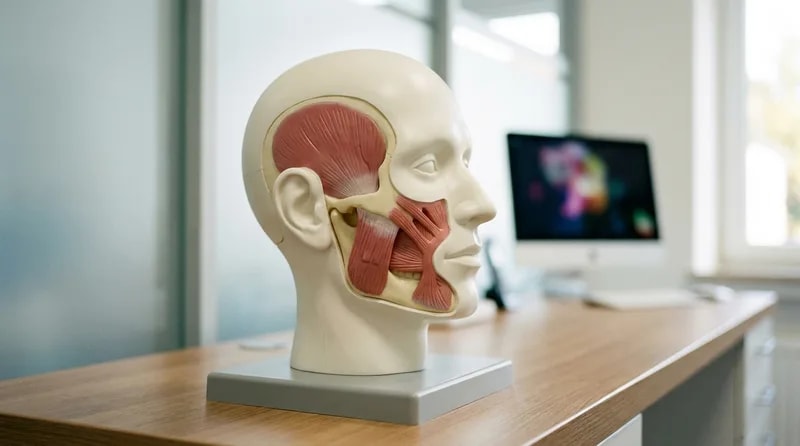
Think of the masseter as a muscle that has been doing an unplanned workout every night for years. It becomes tight, tender, and sometimes visibly enlarged. Rest is the treatment it never gets, because clenching happens while you are asleep and nobody can decide to stop.
The effect is on muscle activity, not on the joint structure. That distinction runs through everything else in this article, and it is the point most often misunderstood.
- Common assumption.
"It fixes the joint." The treatment gets understood as repairing something inside the jaw joint itself.
- What is actually true.
It reduces how hard the chewing muscles contract. Joint problems such as disc displacement or arthritis are separate issues needing separate assessment.
Guidance from the National Institute of Dental and Craniofacial Research is worth reading on how varied TMJ disorders are, because they are not one condition with one answer.
Which kind of problem do your symptoms sound like?
A starting point for the conversation, not a diagnosis.
- Sounds muscular.
Tightness that is worse on waking. Aching across the temples. A jaw that tires while chewing. Soreness that eases with heat or rest. Symptoms on both sides.
- Sounds like the joint.
Clicking or popping on opening. The jaw catching or locking. A limit on how wide you can open. A sharp, localized point in front of the ear. Symptoms clearly on one side only.
Plenty of people have both, which is one reason a full assessment comes before any treatment decision.
Which Symptoms Does Botox for TMJ Actually Help With?
It tends to help most with symptoms driven by muscle overuse: morning jaw soreness, tension across the temples, aching that worsens through the day, and a jaw that tires while chewing. Symptoms coming from inside the joint respond less predictably.
That is a useful filter when you are deciding whether to raise it at all. If your main complaint is a tight, tired, overworked jaw, muscle-directed treatment makes sense as one option. If your main complaint is clicking, catching, or limited opening, the assessment needs to look at the joint first.
Signs worth mentioning to your dentist.
Check each item you have completed.
I wake up with a tight or aching jaw, or my teeth feel sore in the morning.
I get tension headaches around my temples, often worse in the morning.
My jaw tires while eating chewy food, or I avoid certain foods because of it.
Someone has told me I grind my teeth at night.
I notice flattened, chipped, or worn edges on my teeth.
I catch myself clenching during the day, at a screen or in traffic.
My jaw clicks, catches, or feels limited when I open wide.
Your score: count your checks out of 7
Bring that list to an appointment rather than self-diagnosing from it. Several of those signs overlap with conditions that have nothing to do with the jaw, which is exactly why an exam comes first.
Setting expectations honestly.
- What it can do.
Reduce clenching force so overworked chewing muscles get a period of genuine rest.
- What it might do.
Ease tension headaches that trace back to the temporalis, though responses differ between individuals.
- What it will not do.
Repair a joint, correct a bite, protect enamel from grinding, or stop the habit itself.
- What it is not.
A one-time fix. The effect fades over months by design, so it belongs in an ongoing plan.
Is Botox for TMJ Approved for This Use?
No. In the United States, botulinum toxin is not FDA approved for temporomandibular disorders or teeth grinding, so this is an off-label use. Off-label prescribing is legal, common across medicine, and left to clinical judgement, but you deserve to know that going in.
What off-label means in practice: a provider is using an approved medication for a purpose outside its approved labeling, based on their training and the available evidence. It happens constantly in medicine and is not a red flag by itself.
What it does mean is that you should expect a frank conversation rather than a sales pitch. Research on this use is still developing, results vary between individuals, and no honest provider will promise you a specific outcome.
What Happens During a Botox for TMJ Appointment?
The appointment itself is short, usually 15 to 20 minutes once the assessment is done. Your provider locates the muscles by having you clench, marks the injection points, and places several small injections into each side. No anesthetic is typically required.
Most people describe the sensation as a brief pinch per site. You sit upright, you drive yourself home, and you go back to your day with a few minor instructions.
The visit runs in this order:
- Assessment first. Tooth wear, how your teeth meet, joint movement, and muscle tenderness are checked before anything is decided.
- Muscle mapping. You clench so the active muscles can be located by hand, then the injection points are marked.
- The injections. Several small placements per side, into the masseter and often the temporalis.
- Aftercare instructions. Brief, practical, and no downtime for most people.
- A review in about two weeks. This is where the plan gets adjusted based on what actually changed.
Typical aftercare guidance:
- Stay upright for a few hours and avoid rubbing or massaging the treated areas, so the product stays where it was placed.
- Skip heavy exercise the same day. Normal activity is fine.
- Expect nothing immediately. The change is gradual, not same-day.
- Book the review. Around two weeks is when there is something real to assess.
Ask about a jaw assessment first
360 Dental examines tooth wear, bite, and muscle tenderness before recommending anything, and makes custom night guards from a digital scan.
How Long Does It Take to Work, and How Long Does It Last?
Most people notice a change within three to seven days, with the full effect around two weeks. The benefit typically lasts three to four months before muscle activity gradually returns, at which point treatment can be repeated if it helped.
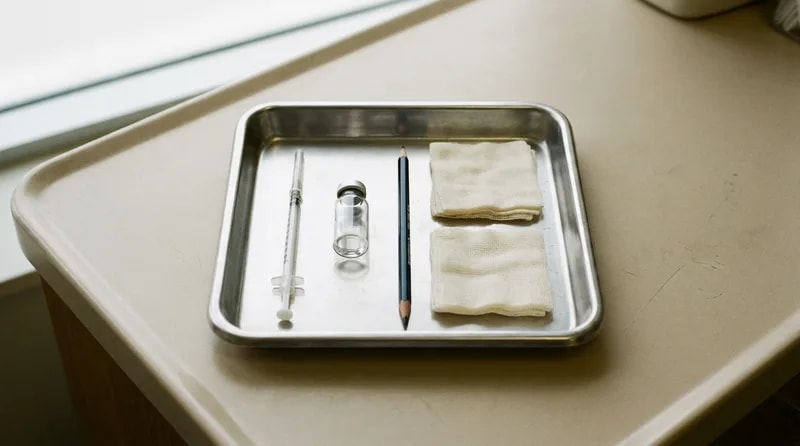
This is not a treatment that resolves the underlying habit. Clenching has causes, and reducing muscle force buys relief while those causes get addressed, rather than removing them.
What the months after treatment usually look like.
A general pattern, not a promise. Individual responses vary widely.
- The same day.
Nothing has changed yet. Mild tenderness at the injection sites is normal.
- Days 3 to 7.
Most people first notice the jaw feels less driven, often before anything else.
- Around 2 weeks.
The full effect is usually established. This is when a review appointment is useful.
- 3 to 4 months.
Muscle activity gradually returns. Symptoms may come back, and treatment is repeatable.
The effect wearing off is expected, not a sign that something went wrong.
Some patients find that repeat treatments feel more effective, partly because the muscle has had genuine rest between sessions and partly because the rest of the plan has had time to work.
What Are the Risks, and Who Should Not Have It?
The common effects are minor and temporary: tenderness at the injection sites, small bruises, and sometimes a mild headache. Less commonly, the treated muscle can feel weaker than intended, which can affect chewing firm food or, rarely, change how a smile looks.
Those effects fade as the product wears off, which is a genuine reassurance with this class of treatment. Nothing is permanent, including an unwanted result.
- Common and temporary.
Tenderness at the injection site. Small bruises that fade within days. A mild headache in the first day or two. A jaw that feels weaker when biting something firm.
- Call your provider about.
Noticeable asymmetry in your smile or expression. Difficulty chewing that does not settle. Any trouble swallowing or breathing. Spreading weakness anywhere else in the body.
Some people should not have this treatment at all. It is generally avoided in pregnancy and breastfeeding, in people with certain neuromuscular conditions such as myasthenia gravis or ALS, where there is an infection at the injection site, or with a known allergy to the product's components. Tell your provider about every medication you take, including antibiotics and muscle relaxants.
- 36%
of Americans have dental anxiety, and 12% have extreme dental fear (BMC Oral Health, 2024).
- 80%
of oral health issues can be caught early at regular visits (ADA).
- 60%
lower likelihood of tooth loss among people who visit a dentist regularly (Journal of Dental Research).
What Should Come Alongside It in a Treatment Plan?
Almost always a night guard, an assessment of how your teeth meet, and a look at what is driving the clenching. Injections reduce muscle force, but they do not protect enamel from the grinding that still happens, and they do not address a bite problem.
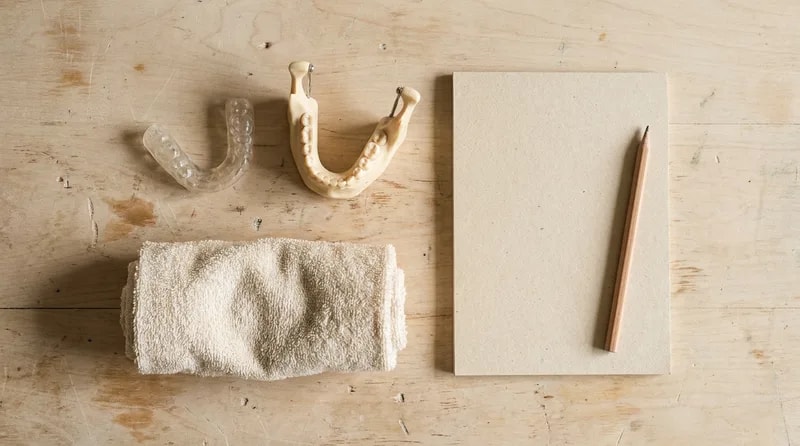
Grinding damages teeth quietly and steadily. Flattened edges, hairline cracks, and worn restorations all trace back to it, and the wear does not reverse. That is why protection and monitoring matter as much as symptom relief.
Restorations feel the load too. Porcelain veneers can last 10 to 15 years with proper care according to the Journal of Prosthetic Dentistry, and unmanaged grinding is one of the fastest ways to fall short of that range.
The layers of a jaw tension plan.
- Find the driver.
An exam looks at tooth wear, how your teeth meet, joint movement, and muscle tenderness. Sleep and stress get discussed too, because both feed clenching.
- Protect the teeth.
A custom night guard does not stop clenching, but it takes the wear instead of your enamel and restorations.
- Reduce the load.
This is where therapeutic injections fit, alongside jaw exercises, heat, posture work, and daytime clenching awareness.
- Review and adjust.
Because the effect fades over months, the plan gets revisited rather than set once and forgotten.
Stress and sleep belong in this conversation too. MouthHealthy, the ADA's patient site, is a reasonable starting point, and if your dentist suspects a sleep-related cause they may suggest speaking with your physician.
Related: Night-time grinding is also the most common reason a restoration fails earlier than expected. How restorative planning accounts for wear →
What Should You Do Next?
The useful framing for Botox for TMJ is one tool inside a jaw tension plan, not a treatment you shop for on its own. Start with an assessment that looks at your teeth, your bite, and your muscles, then decide what fits your situation with the limits clearly on the table.
TMJ and TMD care at 360 Dental.
- Where.
6301 Van Nuys Blvd. Van Nuys, CA 91401. At Van Nuys Blvd and Victory Blvd, minutes off the 405 and 101.
- Who you see.
Dr. Vachik Danoukh, DMD. Member of the American Academy of Facial Esthetics. Treats TMJ and TMD with BOTOX therapy.
- Good to know.
Phone: (818) 787-6400. Night guards made from digital scans. English, Spanish, and Armenian spoken.
If you wake with a tight jaw or tension headaches, book an assessment and mention both symptoms specifically. Call (818) 787-6400 or request an appointment online.
Results may vary. Please consult with your dentist at 360 Dental for personalized treatment recommendations.
Start with the assessment, not the injection
Book a TMJ and TMD assessment at 360 Dental in Van Nuys. Tooth wear, bite, and muscle tenderness examined before any treatment is recommended.
Questions about TMJ treatment, night guards, or whether your plan covers any of it? The front desk will talk it through with you.
Common questions
Is Botox for TMJ FDA approved?
No. Botulinum toxin is not FDA approved for temporomandibular disorders or teeth grinding in the United States, so this is an off-label use. Off-label prescribing is legal and common across medicine, but it should come with a frank conversation about evidence and limits.
How long does Botox for TMJ last?
Typically three to four months, after which muscle activity gradually returns and symptoms may come back. Most people notice a change within three to seven days, with the full effect around two weeks. Treatment can be repeated if it helped.
Will it change how my face looks?
Treating the masseter can slightly slim the jawline in some people, since the muscle gets less use. Unintended changes such as smile asymmetry are uncommon and temporary, because the effect wears off over months rather than lasting indefinitely.
Does it replace a night guard?
No. Injections reduce how forcefully the chewing muscles contract, but grinding still occurs and still wears enamel. A custom night guard takes that wear instead of your teeth, which is why the two are usually recommended together.
Will it help clicking or a locking jaw?
Less predictably. Those symptoms often come from inside the joint, such as disc displacement, rather than from muscle overuse. Muscle-directed treatment addresses tightness and soreness, so joint symptoms need their own assessment first.
Does it cause discomfort?
Most people describe a brief pinch at each injection site. Tenderness, small bruises, and a mild headache in the first day or two are the common temporary effects. No anesthetic is typically required for the appointment.
Who should avoid this treatment?
It is generally avoided during pregnancy and breastfeeding, with certain neuromuscular conditions such as myasthenia gravis or ALS, with an active infection at the injection site, or with a known allergy to the product's components.
Does insurance cover Botox for TMJ?
Coverage varies and it is often not covered, partly because the use is off-label. Call your dental office and your plan before booking. 360 Dental accepts all PPO plans and can explain what applies to your situation.
Did this answer your question?
Written for general reading, not as advice about your own teeth. Nothing here replaces an examination: if something hurts, or has changed, book a visit and let a dentist look at it.
Read next
 13 min readWisdom Teeth Removal Recovery in Van Nuys: What to ExpectWisdom teeth removal recovery day by day: what to expect in the first 48 hours, what to eat, which symptoms need a call, and when you get back to normal.Read the article
 13 min readDoes a Root Canal Hurt? What to Expect in Van NuysDoes a root canal hurt? What the appointment involves, how the tooth is numbed, recovery, and why the treatment relieves the problem it gets blamed for.Read the article
Your first visit
One ticket covers it.
360 Dental · Admit one