
Cosmetic Dentistry
White Spots on Teeth: Causes and How to Remove Them
Published 10 min read
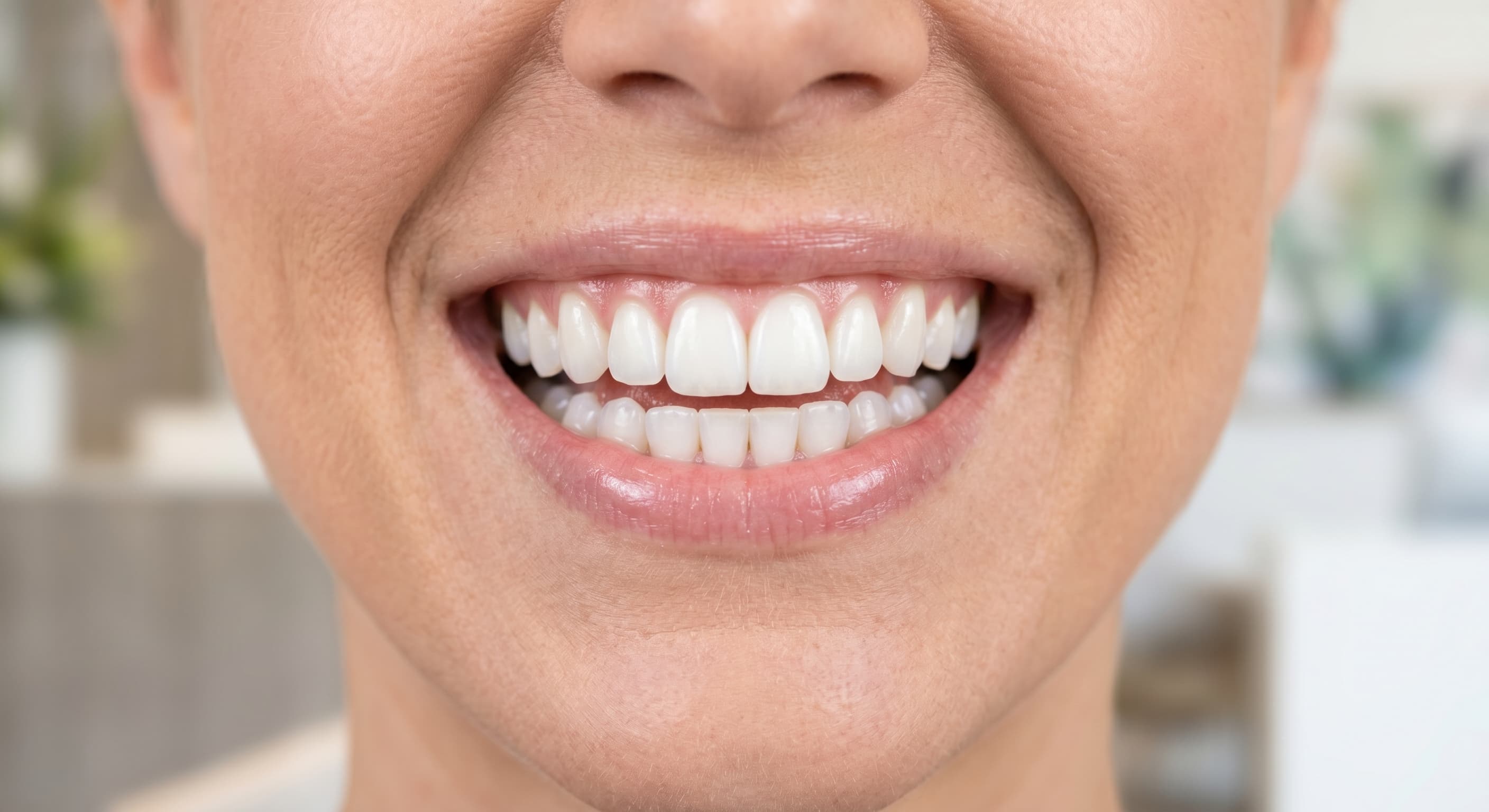
White spots on teeth are one of the most common cosmetic complaints patients bring to Dr. Esther Jeong at Willow Family Dentistry in Wylie, TX. They're chalky, opaque patches that stand out against the surrounding translucent enamel, and they bother patients precisely because they're on the teeth everyone sees: the upper front teeth in the smile zone. The frustration compounds because whitening, the treatment patients try first, often makes them more visible rather than less. The surrounding enamel whitens while the spots stay the same or lighten further, increasing the contrast.
The good news: white spots on teeth are treatable across the full severity spectrum, from remineralizing products that reverse early lesions at home to professional microabrasion and resin infiltration that eliminate them in a single visit. But the treatment depends entirely on the cause, and there are four distinct causes that look similar but require different approaches. The ADA recommends diagnosis before treatment because each cause has a specific mechanism and a specific solution pathway.
What Causes White Spots on Teeth?
1. Demineralization (Early Cavity)
The most clinically significant cause because it's an active disease process. When plaque sits on a tooth surface for extended periods (from inconsistent brushing, around braces, or in hard-to-reach areas), the bacteria produce acid that dissolves calcium and phosphate from the enamel surface. The mineral loss makes the enamel porous and opaque, creating a chalky white spot that's actually the earliest visible stage of a cavity before the surface breaks down into a hole.
Demineralization white spots are typically located near the gumline (where plaque accumulates) or around orthodontic brackets (where cleaning is difficult). They have irregular borders, a matte texture, and may feel slightly rough compared to the smooth surrounding enamel. According to the Mayo Clinic, demineralization lesions are reversible if caught before the enamel surface collapses: remineralization therapy can restore the lost minerals and reduce or eliminate the white appearance.
This is the most common cause of white spots after braces removal. The brackets protect the enamel directly beneath them, but the exposed enamel surrounding each bracket is vulnerable to plaque-driven acid attack for the entire 18-24 months of treatment. Post-braces white spots are found in up to 50% of orthodontic patients according to the ADA.
2. Fluorosis
Dental fluorosis occurs when excess fluoride is ingested during the years permanent teeth are developing (roughly ages 0-8). The fluoride incorporates into the enamel crystal structure unevenly, creating white streaks, specks, or patches that are present from the moment the tooth erupts. Mild fluorosis (faint white lines or specks visible only under close examination) affects approximately 25% of the US population. Moderate-to-severe fluorosis (distinct white patches, occasionally with brown staining and surface irregularities) is much rarer.
Fluorosis white spots differ from demineralization in several ways: they're present from eruption (not acquired later), they're typically symmetrical (affecting the same tooth on both sides of the mouth), they often appear as horizontal lines or streaks (following the enamel formation bands), and they're smooth rather than rough. According to clinical data, mild fluorosis is cosmetic only and is actually associated with increased cavity resistance because the enamel still contains more fluoride than non-fluorosed enamel.
Related: Fluoride safety in context. → Fluoride for Kids: Safe Amounts by Age
3. Enamel Hypoplasia
Enamel hypoplasia is a developmental defect where the enamel forms incompletely during tooth development, resulting in thin, pitted, or missing enamel patches. Causes include high fever during early childhood, nutritional deficiencies (calcium, vitamin D, vitamin A), premature birth, maternal illness during pregnancy, and trauma to a baby tooth that damages the developing permanent tooth bud beneath it. The white spots from hypoplasia are often irregular in shape, may have a pitted or grooved surface texture, and can appear on any tooth in any pattern depending on which teeth were developing when the insult occurred.
4. Celiac Disease and Systemic Conditions
Celiac disease produces a characteristic pattern of enamel defects including white, yellow, or brown spots, horizontal grooves, and pitting that appears symmetrically across the teeth. According to the National Institutes of Health, dental enamel defects are present in up to 80% of people with celiac disease and may be the only visible sign of the condition in some patients, making the dental exam a potential first point of diagnosis. Other systemic conditions that can produce white spots include childhood cancer treatment (chemotherapy during tooth development) and certain genetic conditions affecting enamel formation (amelogenesis imperfecta).
How Does Dr. Jeong Diagnose the Cause?
The cause determines the treatment, so accurate diagnosis is the essential first step. Dr. Jeong evaluates white spots using a combination of clinical examination, patient history, and diagnostic tools.
Location and distribution pattern. Demineralization spots cluster near the gumline or around former bracket sites. Fluorosis appears symmetrically. Hypoplasia appears on teeth that were developing during a known illness or nutritional period. Celiac patterns are bilateral and often involve specific tooth types (incisors and first molars).
Surface texture. Demineralization creates a rough, porous surface (detectable with an explorer). Fluorosis produces a smooth surface with subsurface opacity. Hypoplasia may have pits or grooves.
Patient history. Age, fluoride exposure history, orthodontic history, childhood illnesses, and family history of celiac disease all inform the diagnosis. A white spot that appeared at age 25 after braces is demineralization. A white spot present since the tooth erupted at age 7 with no change since is fluorosis or hypoplasia.
Transillumination. Shining a focused light through the tooth reveals the extent of the lesion. Demineralization appears as a shadow because the porous enamel scatters light differently than intact enamel. Fluorosis produces a more diffuse opacity. According to the ADA, transillumination helps determine lesion depth, which guides the treatment intensity needed.
How Are White Spots on Teeth Treated?
Treatment ranges from conservative (remineralization at home) to moderate (professional microabrasion or resin infiltration) to comprehensive (veneers for severe cases). Dr. Jeong starts with the least invasive option that addresses the specific cause and severity.
MI Paste and Remineralization (At-Home, Conservative)
For white spots caused by demineralization (post-braces, poor hygiene), MI Paste (which contains casein phosphopeptide-amorphous calcium phosphate, or CPP-ACP) delivers calcium and phosphate directly to the porous enamel, gradually rebuilding the mineral content and restoring translucency. Apply a pea-sized amount to the affected teeth after brushing at night and leave it on for 3-5 minutes before spitting (don't rinse). Results develop over 2-3 months of nightly use. According to clinical research, MI Paste reduces white spot visibility by 50-70% in early demineralization lesions. High-fluoride toothpaste (PreviDent 5000) used alongside MI Paste accelerates the remineralization.
Resin Infiltration (ICON, In-Office, Minimally Invasive)
ICON is the treatment that has changed the white spot management landscape. A low-viscosity resin is infused into the porous enamel through a process of etching, drying, and capillary penetration. The resin fills the microscopic voids that scatter light (causing the white opacity) and restores the enamel's natural translucency. The treatment takes 30-45 minutes per tooth, requires no drilling, no anesthesia, and no removal of tooth structure. According to the ADA, resin infiltration is effective for both demineralization and fluorosis white spots and produces immediate, visible improvement in a single visit.
Microabrasion (In-Office, Mildly Invasive)
For superficial white spots confined to the outermost enamel layer (typically mild fluorosis), microabrasion uses a combination of hydrochloric acid and pumice paste to gently remove the affected enamel surface. The procedure removes 25-200 micrometers of enamel (less than 0.2mm out of the 2-3mm total enamel thickness), which is clinically insignificant but cosmetically transformative. The freshly exposed enamel beneath the defect is typically uniform in color and translucency. Microabrasion takes 15-30 minutes, requires no anesthesia, and can be combined with resin infiltration or professional whitening for comprehensive results.
Professional Whitening (Complementary)
Whitening alone doesn't remove white spots, but it reduces their visibility by lightening the surrounding enamel to decrease contrast. Professional whitening at Willow is often used as a finishing step after microabrasion or resin infiltration to create a uniform shade across all teeth. The combined protocol (treat the spots first, then whiten everything to match) produces the most natural-looking result.
Porcelain Veneers (Comprehensive, Last Resort)
For severe enamel defects (deep hypoplasia, moderate-to-severe fluorosis with surface irregularities, or white spots that don't respond to conservative treatment), porcelain veneers cover the entire visible surface with a thin ceramic shell that provides uniform color, texture, and translucency. Veneers are the most invasive and most expensive option, but they're also the most predictable for severe cases. Dr. Jeong reserves veneers for cases where conservative treatments have been tried and the cosmetic result remains unsatisfactory.
White Spots Bothering Your Smile?
Dr. Jeong identifies the cause and recommends the least invasive treatment that addresses your specific white spots. Most cases resolve with ICON resin infiltration or MI Paste, not veneers.
Can White Spots Be Prevented?
Demineralization spots (the most common type) are entirely preventable. Meticulous oral hygiene during orthodontic treatment (brushing around every bracket with a sulcus brush, using a water flosser, and fluoride rinse nightly) prevents the plaque accumulation that causes them. For children in braces, Dr. Jeong prescribes MI Paste or high-fluoride toothpaste during treatment as a preventive measure, not just a treatment after the damage is done.
Fluorosis prevention is about dosage: the correct amount of fluoride toothpaste by age (grain-of-rice smear under 3, pea-sized for ages 3-6), supervised brushing to minimize swallowing, and awareness of total fluoride intake from all sources. Using the right amount keeps teeth in the protective range without crossing into the cosmetic-change zone.
If you're concerned about fluorosis risk for a child, check your municipal water report first. Many areas already have fluoridated tap water, so pairing that with fluoride toothpaste and a fluoride rinse can add up to more than intended. Dr. Jeong can help calculate a child's total fluoride exposure at a routine visit.
Hypoplasia and celiac-related defects can't be prevented because they result from systemic factors during tooth development. But early identification allows early treatment: MI Paste applied to affected teeth as soon as they erupt can improve the enamel quality before the cosmetic concern becomes a psychological burden for the child.
White spots on teeth are common, diagnosable, and treatable across the full spectrum from home remineralization to professional ICON treatment to veneers for severe cases. The treatment Dr. Jeong recommends depends on the cause, the depth of the lesion, and the cosmetic result you're seeking. If white spots are affecting your confidence in your smile, schedule a cosmetic consultation at Willow Family Dentistry. Most cases resolve with minimally invasive treatment in a single visit.
Most White Spots Resolve in One Visit
ICON resin infiltration and microabrasion treat white spots without drilling in a single appointment. Dr. Jeong starts conservative and escalates only if needed.
Questions about white spots on your teeth?
Common questions
What causes white spots on teeth?
Four main causes: demineralization (early cavity, common after braces), fluorosis (excess fluoride during tooth development), enamel hypoplasia (developmental defect from illness or nutritional deficiency), and celiac disease (affects up to 80% of celiac patients).
Can white spots on teeth go away?
Demineralization spots can be reversed with MI Paste and fluoride therapy over 2-3 months. Fluorosis and hypoplasia spots are permanent without professional treatment but respond well to ICON resin infiltration or microabrasion.
What is ICON treatment for white spots?
A minimally invasive procedure where low-viscosity resin is infused into porous enamel, filling the voids that cause the white opacity and restoring natural translucency. Takes 30-45 minutes per tooth. No drilling, no anesthesia, immediate visible results.
Does whitening remove white spots?
No. Whitening typically makes white spots more visible because it lightens the surrounding enamel while the spots remain the same shade. Treat the spots first with ICON or microabrasion, then whiten to create a uniform shade.
How do you get rid of white spots after braces?
Start with MI Paste nightly for 2-3 months to remineralize early demineralization. If spots persist, ICON resin infiltration provides immediate improvement in one visit. Severe cases may need microabrasion or composite bonding.
Are white spots on teeth cavities?
Demineralization white spots are the earliest visible stage of cavity formation, before the surface breaks down. At this stage they're reversible with remineralization. Not all white spots are cavities; fluorosis and hypoplasia spots are developmental, not disease.
How much does white spot treatment cost?
MI Paste: $15-$25 per tube (at-home). ICON resin infiltration: $150-$400 per tooth. Microabrasion: $100-$300 per tooth. Professional whitening as a complement: $400-$800. Veneers for severe cases: $1,000-$2,500 per tooth.
Did this answer your question?
Written for general reading, not as advice about your own teeth. Nothing here replaces an examination: if something hurts, or has changed, book a visit and let a dentist look at it.
Read next
 12 min readTeeth Whitening Consultation Wylie TX: Are You a CandidateA teeth whitening consultation Wylie TX patients book shows which stains lift, whether gums and enamel are ready, and what shade change is realistic.Read the article
 10 min readWhy Is One Tooth Darker? Discolored Dead Tooth GuideA discolored dead tooth: causes, symptoms, and treatment options in Wylie, TX.Read the article
 9 min readDental Bonding: What to Expect and How Long It LastsDental bonding explained: what the procedure is like, whether it hurts, how long bonding lasts, and how to make it last.Read the article
Your first visit
One ticket covers it.
360 Dental · Admit one