
Cosmetic Dentistry
Veneers vs Bonding in Van Nuys: Which Fits Your Goal?
Published 13 min read
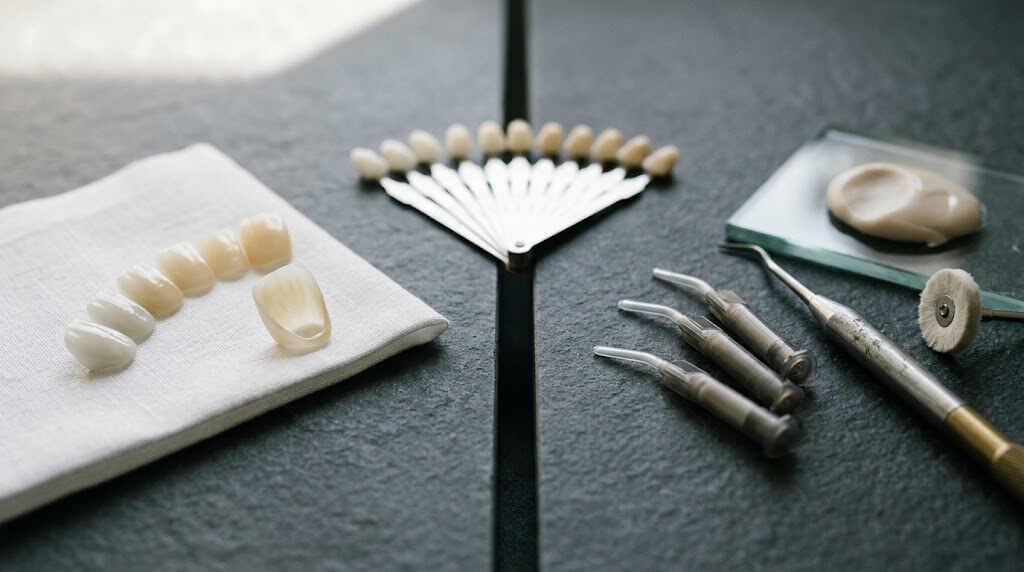
The veneers vs bonding question almost never has a single right answer, because the two treatments are built for different jobs. One chipped corner and a whole discolored front row are not the same problem, and porcelain veneers are not automatically the better answer to both.
What actually decides it is your goal. How many teeth are involved, whether color or shape is the issue, how much natural tooth you want to keep, and how long you want the result to hold before it needs attention.
Here is a goal-based way to think about veneers vs bonding, including the order treatments should happen in and what to ask at a consultation in Van Nuys.
What Is the Difference Between Porcelain Veneers and Composite Bonding?
Porcelain veneers are thin ceramic shells made in a dental lab and bonded to the front of your teeth. Composite bonding is tooth-colored resin applied directly in the chair and sculpted by hand. Same goal, different material and different process.
That difference in process explains most of the differences that follow. A lab-made shell is designed, checked, and fired before it ever touches your tooth, which gives close control over shade and shape. Resin is shaped live, in your mouth, by the dentist's hand.
- Lab-made, bonded on.Porcelain veneers.
Thin ceramic shells designed for your teeth in a dental lab, then bonded to the front surfaces. Usually two visits. Highly stain resistant. Color and shape are planned before anything is bonded.
- Sculpted in the chair.Composite bonding.
Tooth-colored resin layered directly onto the tooth and shaped by hand, then hardened. Often one visit. Repairable in small sections. More sensitive to staining over time.
Neither is a treatment you undergo passively. Both start with a conversation about what you actually want your smile to do differently.
What each path looks like from the chair.
- Bonding, typically one visit.
Shade matched at the chair. Resin layered and sculpted by hand. Cured, polished, and checked against your bite. You leave with the result the same day.
- Veneers, typically two visits.
Digital scan, shade and shape planned. Enamel prepared, temporaries placed if needed. Lab fabricates your set of shells. Second visit to fit, adjust, and bond.
Neither path starts at the first appointment. That visit is for the plan.
Veneers vs Bonding: Which One Fits Your Smile Goal?
Match the treatment to the goal rather than to a reputation. Single-tooth repairs and small shape changes usually point toward bonding, while uniform color across several teeth or deep internal staining points toward porcelain. The table below maps the most common goals.
| Your goal | Usually points to | Why |
|---|---|---|
| One chipped front tooth. | Bonding. | Adds material only where it is missing, in a single visit. |
| Small gaps between teeth. | Bonding, or alignment first. | Closing a gap with resin is quick, but moving the teeth may be the better fix. |
| Uneven edges across several teeth. | Either, depending on wear. | Light reshaping may be enough. Heavy wear usually needs stronger coverage. |
| Deep staining that whitening did not lift. | Porcelain veneers. | Ceramic masks internal discoloration that bleaching cannot reach. |
| A uniform look across six to ten teeth. | Porcelain veneers. | Lab fabrication controls shade and shape across the whole set at once. |
| Trying a change before committing. | Bonding. | Adjustable and removable in a way that prepared porcelain is not. |
| Heavy coffee, tea, or red wine habit. | Porcelain veneers. | Glazed ceramic resists staining better than resin over the years. |
Notice how often the answer is "either, depending." That is not evasion. It reflects how much the right choice depends on what your teeth are already doing.
Quick read: where each option is the stronger fit.
Count which column describes more of your situation.
- Bonding leans ahead when.
One or two teeth are involved. You want to keep every bit of enamel. You are testing a change, not committing. The fix is adding material, not covering it. You want it done in a single visit.
- Veneers lean ahead when.
Six or more teeth need to match. Whitening already failed to lift the shade. Old restorations no longer blend in. Stain-resistance over years matters to you. You want shape and color settled before bonding.
- Common assumption.
"Veneers are the upgrade and bonding is the budget version." One is treated as strictly better than the other.
- What is actually true.
They solve different problems. For one chipped corner, bonding is often the more conservative and appropriate choice, not the lesser one.
How Much of Your Natural Tooth Does Each Option Change?
Bonding is largely additive, often needing little or no enamel reduction. Traditional porcelain veneers usually require a thin layer of enamel to be prepared so the shell sits flush rather than bulky. That difference is the most important one to understand before you decide.
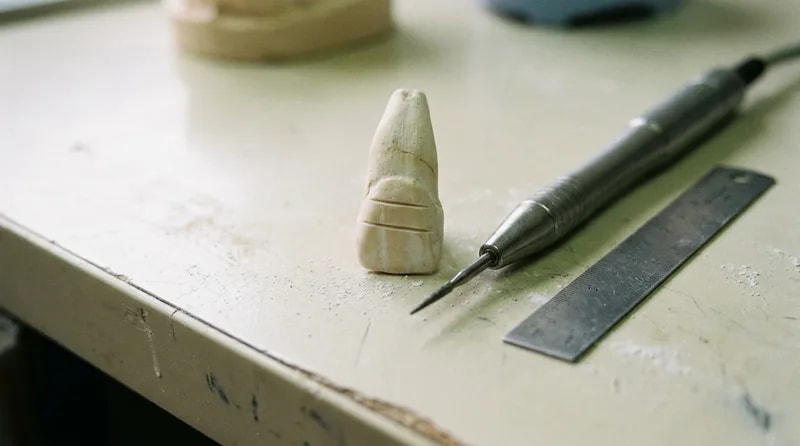
Enamel does not grow back. Once a tooth has been prepared for a veneer, it will generally need a restoration of some kind from then on. That is not a reason to avoid veneers, but it is a reason to be certain about the plan first.
How much natural tooth each option changes.
From additive to prepared, left to right.
- Whitening.
Nothing is added or removed.
- Composite bonding.
Mostly additive, often with little or no enamel reduction.
- Contouring.
A small amount of enamel is smoothed away.
- Porcelain veneers.
Usually a thin layer of enamel is prepared so the shell sits flush.
Ultra-thin options such as Lumineers sit closer to the middle of this scale than traditional veneers.
Dr. Danoukh is certified in Lumineers, an ultra-thin veneer system, which is one route to a porcelain result with less preparation. Whether it suits your teeth depends on their current shape and position, and that is a scan-and-look decision rather than a website one.
How Long Does Each One Last, and What Shortens That?
Porcelain veneers can last 10 to 15 years with proper care, according to the Journal of Prosthetic Dentistry. Composite bonding generally needs refreshing sooner, because resin picks up stain and wears at the edges faster than glazed ceramic does.
Habits matter more than the material, though. Grinding shortens the life of both. So does using front teeth as tools, which is a quiet and very common cause of chipped edges on otherwise healthy restorations.
Habits that decide how long either option lasts.
Check each item you have completed.
I told my dentist if I grind or clench, and asked about a night guard.
I stopped biting nails, pens, and ice, which chip edges faster than chewing does.
I keep my regular cleanings, because the gum line is where cosmetic work shows age.
I asked which polishing products are safe for my restorations.
I understand which parts can be repaired and which need replacing.
I know what my restorations look like today, so I can spot a change early.
Your score: count your checks out of 6
Whitening sets the ceiling for what either option can match. Professional whitening can improve shade by 4 to 8 levels in about 2 weeks according to the ADA, and that final shade is what your restoration gets matched to.
There is a repair difference worth knowing. A small chip in bonding can often be patched in one visit. A fractured porcelain veneer usually means replacing that veneer rather than repairing it.
Want to know what your teeth can support?
360 Dental plans cosmetic cases from a digital scan, so the shape and shade are agreed before anything is bonded. Ask to see the on-site smile gallery.
Which Problems Is Bonding Better At Solving?
Bonding is stronger on small, localized, reversible problems. A chipped corner, a short tooth that looks out of proportion, a narrow gap, a worn edge: all of these can often be handled in one appointment without committing the rest of the tooth to anything.
Hesitation is normal and worth designing around. Research in BMC Oral Health in 2024 found 36% of Americans have dental anxiety and 12% have extreme dental fear, and a reversible option lowers the stakes of deciding.
It is also the better option when you are not yet sure. Because resin is adjustable and can be reshaped or removed, bonding lets you live with a change for a while before deciding whether you want something more.
Typical cases where bonding does the job well:
- A single chipped or fractured front tooth where the rest of the tooth is healthy and the color already matches.
- Small gaps that you want closed without moving teeth, provided your bite allows it.
- Slightly short or uneven edges that need building up rather than covering over.
- Cosmetic contouring paired with resin, where reshaping alone gets most of the way there.
Bonding also pairs well with whitening. Once your shade has settled, resin can be matched to it precisely.
When Do Porcelain Veneers Make More Sense?
Veneers make more sense when you want consistency across several teeth, or when the problem is color that whitening cannot reach. Internal discoloration, old restorations that no longer match, and a mixed set of shapes are all easier to unify with lab-made porcelain.
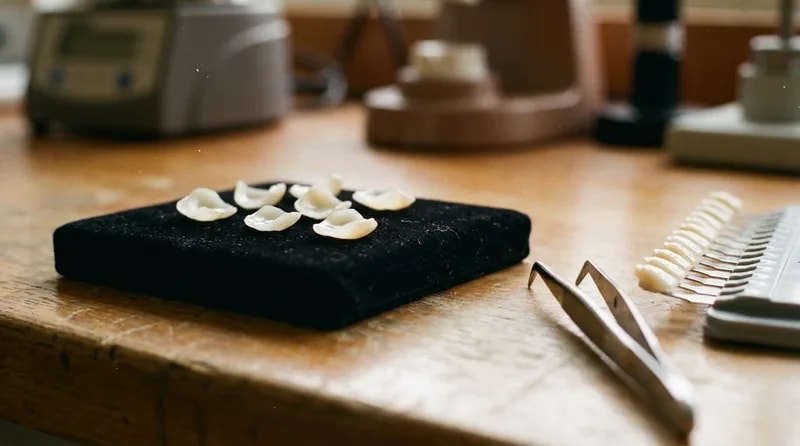
Cosmetic dentistry carries real weight for people, which is why these decisions deserve time. The American Academy of Cosmetic Dentistry reports that 99.7% of Americans believe a smile is an important social asset, and that is usually why patients are in the chair in the first place.
- 10-15 yrs
Porcelain veneers can last 10 to 15 years with proper care (Journal of Prosthetic Dentistry).
- 4-8 shades
Professional whitening can improve shade by 4 to 8 levels in about 2 weeks (ADA).
- 99.7%
of Americans believe a smile is an important social asset (American Academy of Cosmetic Dentistry).
Maintenance is what protects the investment. Americans who visit a dentist regularly are 60% less likely to lose teeth, per the Journal of Dental Research, and the same attendance that protects natural teeth is what keeps a veneer margin clean and a bonded edge intact.
Veneers also suit patients who want a result that holds its color. If coffee, tea, or red wine are daily habits, glazed ceramic will keep its shade longer than resin will.
Related: Larger cases often combine several treatments rather than choosing just one. How Dr. Danoukh plans a multi-treatment case →
Why Should Whitening and Alignment Come First?
Because neither resin nor porcelain changes color once it is placed, and neither moves once it is bonded. Whitening after cosmetic work leaves your restorations at the old shade. Building new surfaces onto crooked teeth locks the crookedness in place.
Sequence is the single most common thing patients get wrong on their own. It is also the easiest to get right, because a consultation will map it out in about fifteen minutes.
Nearly 1 in 4 adults in the US has untreated tooth decay, according to CDC NCHS data, which is why a cosmetic plan starts with an exam rather than a shade guide.
Gum health is the step people most want to skip. CDC data from 2024 shows 42% of adults aged 30 and older have some form of periodontal disease, and inflamed gums change the position of the gum line that any veneer or bonding edge has to meet. Treat that first and the cosmetic result sits where it was planned.
The order that avoids redoing work.
- 1. Health first.
Active decay and gum inflammation are treated before any cosmetic work begins. Bonding to an unhealthy foundation does not hold.
- 2. Position second.
If teeth need to move, aligners come before restorations. Otherwise the new surfaces get built onto the wrong positions.
- 3. Shade third.
Whiten before choosing a color. Resin and porcelain do not lighten later, so they are matched to your final shade.
- 4. Shape last.
Bonding, contouring, or veneers finish the shape once health, position, and color are settled.
Alignment carries a health benefit too, not only a cosmetic one. Straight teeth are easier to clean, reducing the risk of cavities and gum disease by up to 30% according to the ADA, which is worth weighing if Invisalign or clear braces are already on the table. Clear aligners can treat 90% of mild-to-moderate alignment issues according to the American Journal of Orthodontics, and average treatment runs 6 to 18 months versus 18 to 36 for traditional braces, per the AAO. If your shade is the main issue, start with professional teeth whitening and decide about shape afterwards. General guidance from the American Dental Association on tooth whitening is a useful primer before that appointment.
What Happens at a Cosmetic Consultation in Van Nuys?
Expect a health check before any cosmetic discussion, then a digital scan, then a conversation about goals with your own teeth on screen. Nothing is prepared or bonded at a first visit. The output is a plan and a sequence, not a treatment.

The health check is not a formality. The ADA notes that regular dental visits can catch 80% of oral health issues before they become serious, and a veneers vs bonding plan built on an undiagnosed problem is a plan that gets redone.
Bring photographs of smiles you like, and be specific about what bothers you. "My front tooth looks shorter than the other one" is far more useful than "I want a nicer smile," and it leads to a more conservative plan.
Questions worth asking while you are there:
- How many teeth does this actually need? Fewer is usually better, and a good plan resists expanding without reason.
- How much enamel will be prepared? Ask for the answer per tooth, not in general terms.
- What happens in ten years? Every restoration has a maintenance path. You should know yours before you start.
- Can I see it first? Digital planning and a smile gallery of real cases both help you judge before committing.
What Should You Do Next?
The honest summary of veneers vs bonding is that the more conservative option deserves first consideration, and porcelain earns its place when consistency across several teeth is the goal. Start from what you want changed, not from which treatment sounds more impressive.
Cosmetic consultations at 360 Dental.
- Where.
6301 Van Nuys Blvd. Van Nuys, CA 91401. At Van Nuys Blvd and Victory Blvd, minutes off the 405 and 101.
- Who you see.
Dr. Vachik Danoukh, DMD. Tufts-trained, certified in Lumineers and Invisalign. Recognized by the American Academy of Esthetic Dentistry.
- Good to know.
Phone: (818) 787-6400. Digital scanning used for planning. An on-site smile gallery of real patient results.
Book a cosmetic consultation, bring your list of questions, and ask to see the plan on screen before anything is prepared. Call (818) 787-6400 or request an appointment online.
Results may vary. Please consult with your dentist at 360 Dental for personalized treatment recommendations.
See your options before you decide
Book a cosmetic consultation at 360 Dental in Van Nuys. Digital planning, a look at real patient results, and a clear sequence before any treatment starts.
Questions about veneers, Lumineers, bonding, or how any of it works with your insurance or the 360-VIP club? The front desk can walk you through it.
Common questions
Which is better, veneers or bonding?
Neither is universally better. Bonding handles single-tooth repairs and small shape changes more conservatively, while porcelain veneers give more consistent color and shape across several teeth. The right choice depends on how many teeth are involved and what you want changed.
Is composite bonding reversible?
Often largely so, because bonding is mostly additive and frequently needs little or no enamel reduction. That makes it a reasonable way to try a change before committing. Traditional veneers involve preparing enamel, which does not grow back.
Do veneers or bonding stain over time?
Composite resin picks up stain more readily than glazed porcelain, so heavy coffee, tea, or red wine habits tend to favor veneers. Neither material lightens with whitening once placed, which is why shade is chosen at the planning stage.
How long does composite bonding last compared with veneers?
Porcelain veneers can last 10 to 15 years with proper care, per the Journal of Prosthetic Dentistry, while bonding generally needs refreshing sooner. Grinding and using front teeth as tools shorten the life of both materials.
Should I whiten my teeth before veneers vs bonding treatment?
Yes. Whiten first, then match the restoration to your final shade. Resin and porcelain do not change color after placement, so whitening afterward leaves your new surfaces at the original shade while natural teeth lighten around them.
What are Lumineers and how do they differ from veneers?
Lumineers are an ultra-thin porcelain veneer system that generally needs less enamel preparation than traditional veneers. Whether they suit your teeth depends on current shape and position, which is assessed from a scan rather than online.
Can I get veneers if I grind my teeth?
Often yes, but grinding needs addressing first because it shortens the life of any restoration. Tell your dentist about clenching or jaw tension so a night guard can be discussed as part of the plan rather than after a fracture.
Does 360 Dental offer both veneers and bonding in Van Nuys?
Yes. 360 Dental at 6301 Van Nuys Blvd offers porcelain veneers, Lumineers, dental bonding, cosmetic contouring, whitening, and Invisalign. Cases are planned from a digital scan, and an on-site smile gallery shows real patient results.
Did this answer your question?
Written for general reading, not as advice about your own teeth. Nothing here replaces an examination: if something hurts, or has changed, book a visit and let a dentist look at it.
Read next
 12 min readDental Contouring in Van Nuys: The Smallest Smile ChangeDental contouring reshapes enamel to even out edges and small chips. What it fixes, what it cannot, and why it is the least invasive cosmetic option.Read the article
 9 min readIn Office Teeth Whitening vs at Home: Which Lasts?In office teeth whitening vs at home kits: see which actually lasts longer, what each costs, and how to pick the right option for your smile.Read the article
 9 min readSmile Makeover Process: How Dr. Danoukh Plans a CaseSee how Dr. Danoukh maps out the smile makeover process before any work starts, from digital previews to a written treatment plan.Read the article
Your first visit
One ticket covers it.
360 Dental · Admit one