
Cosmetic Dentistry
Modern Cosmetic Dentistry Techniques & Technology in 2026
Published 8 min read
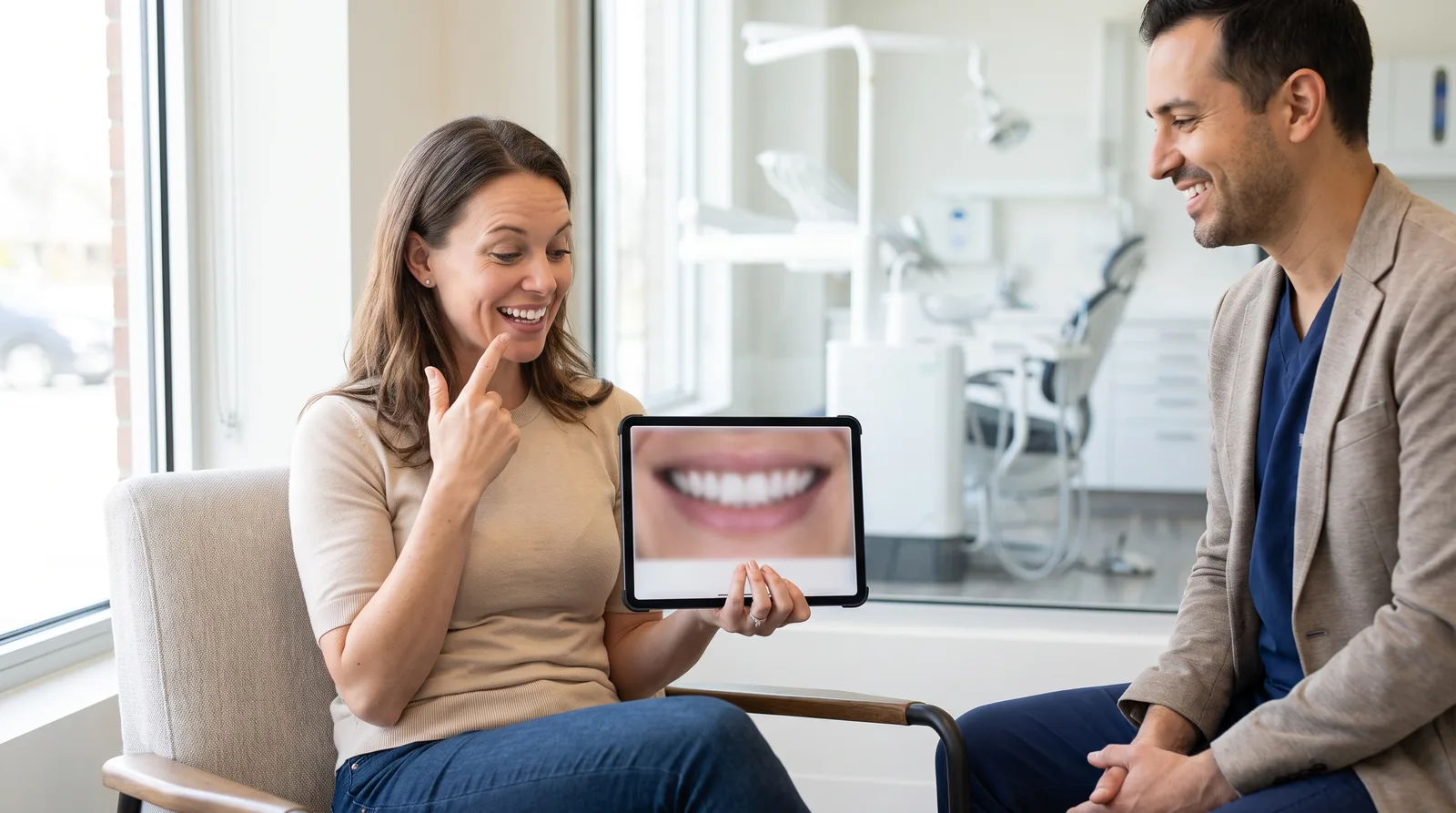
Modern cosmetic dentistry techniques now let you see your new smile before your first appointment even ends. Digital scanners, computer smile design, and treatment planning have replaced messy molds and rough guesswork. At 360 Dental in Van Nuys, Dr. Vachik Danoukh, DMD, uses this cosmetic dentistry technology every day, from same-visit digital scans to computer-designed veneers.
If you're comparing whitening, bonding, veneers, or Invisalign, technology shapes nearly every step. This guide covers the newest cosmetic dentistry innovations, which treatments have changed the most, how digital smile design works, and typical costs in the San Fernando Valley.
What Makes Modern Cosmetic Dentistry Techniques Different in 2026?
Modern cosmetic dentistry uses digital scanning, computer smile design, and treatment planning instead of guesswork and physical molds. At 360 Dental, these modern cosmetic dentistry techniques let Dr. Vachik Danoukh show patients a preview of a new smile before any work begins.
Traditional cosmetic dental work often relied on putty impressions, paper X-rays, and hand-drawn treatment notes. That older process left more room for guessing how a filling, veneer, or whitening result would actually look. Modern cosmetic dentistry technology swaps most of that guesswork for a digital workflow. An intraoral scanner builds a 3D model of your teeth in minutes. Software then plans the exact shape, size, and shade of a new smile, whether that leads to whitening, bonding, or custom-designed veneers. No dental handpiece or bonding material touches your teeth until that plan is set.
Nearly 1 in 4 adults in the US has untreated tooth decay, according to the National Institute of Dental and Craniofacial Research. That's part of why more patients now explore cosmetic and restorative fixes together, and why precise digital planning matters.
Ask your dentist whether they use digital scanning and computer-designed treatment planning before you commit to a cosmetic procedure. A same-visit digital scan usually replaces a repeat appointment for physical molds. It's a fair question, and a modern practice should walk you through it.
What Digital Technologies Power Modern Cosmetic Treatment Planning?
Modern cosmetic dentistry technology relies on three main tools: intraoral digital scanners, digital smile design software, and computer-aided design for ultra-thin veneers like Lumineers. Together, these cosmetic dentistry innovations replace physical molds and let your dentist preview and adjust results on a screen before treatment begins.
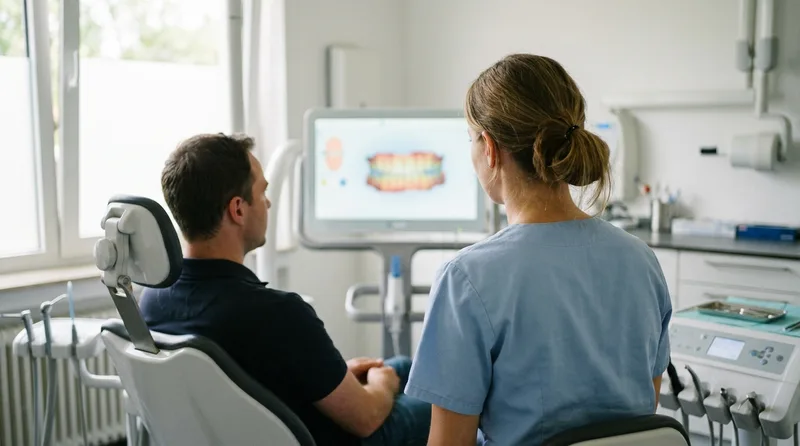
Intraoral Digital Scanners
An iTero digital scanner captures thousands of images per second to build a precise 3D map of your teeth and gums, without the thick trays older impression methods required.
Digital Smile Design Software
Digital smile design software combines scan data with photos of your face to build a computer preview of your finished smile. You can see proposed tooth shape, length, and shade changes on-screen, then ask for adjustments before any porcelain or composite is made.
Digital Design for Lumineers Veneers
Lumineers use a computer-aided design and manufacturing process to create ultra-thin, minimal-prep veneers built from your digital scan and smile design plan. Dr. Vachik Danoukh, DMD, is a certified Lumineers provider at 360 Dental, so this digital-to-lab workflow happens without an outside referral.
A same-visit scan and preview is realistic for most cosmetic consultations today. If a practice still relies only on putty impressions and printed photos, ask how they plan to show you the expected result in advance.
Curious Which Treatment Fits Your Smile?
Dr. Danoukh can walk you through a digital preview of veneers, whitening, or bonding at your next visit.
Which Cosmetic Treatments Have Advanced the Most With New Technology?
Porcelain veneers, teeth whitening, dental bonding, and clear aligners have all changed the most with modern cosmetic dentistry treatments. Digital design now customizes veneer shape and shade before manufacturing. Newer whitening gels and clear aligner materials work faster and fit more precisely than older versions.
| Treatment | What's New | Typical Benefit |
|---|---|---|
| Porcelain Veneers / Lumineers | Digital shade and shape design, thinner minimal-prep options | Natural-looking results that can last 10 to 15 years |
| Professional Whitening | Faster in-office gels, custom trays from digital scans | A noticeably brighter smile in one visit or over about two weeks |
| Dental Bonding | Improved composite materials that resist staining | A same-day fix for chips or gaps, no lab wait |
| Invisalign / Clear Aligners | Digital treatment mapping shows tooth movement in advance | A straighter smile without traditional metal braces |
Professional whitening can improve tooth shade by 4 to 8 levels in about two weeks, according to the American Dental Association. Porcelain veneers benefit the most from digital design. Once your dentist maps out your ideal porcelain veneers shape and shade on a computer, a dental lab can manufacture them to that exact specification. That cuts down on chairside adjustments.
If you're deciding between whitening, bonding, or veneers, ask your dentist which option their digital tools can preview most accurately for your case. That preview often decides which choice fits your goals.
How Does Digital Smile Design Change What You See Before Treatment Starts?
Digital smile design shows you a computer preview of your new smile before your dentist places a single veneer or whitens a single tooth. Software overlays a proposed tooth shape and shade onto a photo of your face, so you can request changes ahead of time instead of after treatment is finished.

- Your dentist scans your teeth and takes digital photos of your smile.
- Design software builds a computer preview showing proposed veneer, bonding, or whitening changes.
- You review the preview and request adjustments to shape, length, or shade.
- Once you approve the design, your dentist begins treatment or sends specs to the lab.
This step-by-step process usually happens during a single consultation visit. Because the design exists on a computer, changes take minutes rather than a whole new appointment.
Ask to see your digital preview before agreeing to any cosmetic treatment plan. It's a reasonable request, and most modern practices can show you one during your first visit.
Are Modern Cosmetic Materials More Durable and Natural-Looking?
Yes, modern porcelain and composite materials generally look more natural and last longer than older cosmetic dentistry materials. Improved porcelain formulas better mimic the translucency of natural enamel. Porcelain veneers can last 10 to 15 years with proper care, according to the Journal of Prosthetic Dentistry.
Porcelain and Ceramic Advances
Older porcelain materials sometimes had a flat, opaque look next to natural teeth. Manufacturers have since layered porcelain to copy the way light passes through real enamel, giving veneers and crowns a closer match to surrounding teeth. The American Dental Association's MouthHealthy.org guide covers how these materials are made in more detail.
Composite Bonding Improvements
Composite bonding material has also improved, resisting stains better than versions used a decade ago. The American Academy of Cosmetic Dentistry has found that 99.7% of Americans consider a smile an important social asset, part of why manufacturers keep refining how natural these materials look under normal light.
Ask your dentist which generation of porcelain or composite they use and how long similar cases have lasted for other patients. Material quality varies. A practice that tracks its own long-term results can usually give you a more specific answer than a general industry average.
How Do You Choose the Right Modern Cosmetic Treatment for Your Smile?
The right modern cosmetic dentistry treatment depends on your goals, timeline, and how much natural tooth structure you want to keep. Whitening and bonding suit smaller, faster changes, while veneers and Invisalign address more noticeable shape, color, or alignment concerns over a longer timeline.

- How much change you want: subtle brightening versus a full smile makeover
- How long you're willing to wait: same-day bonding versus multi-week veneer fabrication
- Whether you want a reversible option, like whitening or clear aligners, or a longer-term one, like veneers or bonding
- Your budget, and whether financing or a membership plan fits your situation
Related: For a full side-by-side look at pricing and timelines, see our comparison guide. 6 Cosmetic Dentistry Treatments in Van Nuys, Compared →
A short consultation, including a digital scan and smile design preview, usually gives you enough information to compare these options side by side before deciding.
What Does Modern Cosmetic Dentistry Cost, and Are There Financing Options?
Modern cosmetic dentistry treatments range widely in cost, from about one office visit for basic whitening to several appointments for a full set of veneers. 360 Dental accepts all PPO dental plans and offers CareCredit, Sunbit, and Cherry financing, plus a 360-VIP membership plan for patients without insurance.
What Affects the Cost
Cost depends on the number of teeth involved, the material used, and how much preparation each tooth needs. Whitening is usually the most affordable option, bonding costs more per tooth than whitening but less than veneers, and full veneer cases cost the most because each veneer is custom made.
Financing and the 360-VIP Membership Plan
If you don't have dental insurance, the 360-VIP membership plan is built for that: it runs $35 a month for adults, plus a one-time $99 activation fee, and includes two cleanings, exams, needed x-rays, and 20% off other treatment.
Ask for a written estimate before starting treatment, and ask whether digital scanning is included or billed separately. A clear estimate makes it easier to compare 360 Dental against other practices.
Technology hasn't changed why people want a better smile, but it has changed how predictable the process can be. Modern cosmetic dentistry techniques mean fewer surprises between your consultation and your finished results.
If you're considering veneers, whitening, bonding, or Invisalign, ask to see a digital preview first. Results may vary. Please consult with your dentist at 360 Dental for personalized treatment recommendations.
Ready to See Your Own Smile Preview?
Book a consultation with Dr. Vachik Danoukh at 360 Dental in Van Nuys and see modern cosmetic dentistry technology at work.
Prefer to talk it through first?
Common questions
What are the newest modern cosmetic dentistry techniques?
The newest modern cosmetic dentistry techniques include intraoral digital scanning, digital smile design software, and computer-aided design for Lumineers veneers. Together, these tools let your dentist plan and preview veneers, whitening, and bonding results on a computer before treatment begins, cutting down on guesswork compared to older methods.
Is digital smile design available for teeth whitening, or just veneers?
Digital smile design is most closely tied to porcelain veneers and bonding since it maps exact tooth shape and shade. Whitening shade changes can still be tracked digitally, though the process leans more on before-and-after photos than a full computer redesign.
How long do modern porcelain veneers last?
Porcelain veneers typically last 10 to 15 years with proper care, according to the Journal of Prosthetic Dentistry. Good oral hygiene, a night guard if you grind your teeth, and regular checkups help veneers last closer to the higher end of that range.
Does 360 Dental use digital scanning as part of its cosmetic dentistry technology?
Yes, 360 Dental uses an iTero digital scanner and digital smile design software as part of its cosmetic dentistry technology. Dr. Vachik Danoukh, DMD, is a certified Lumineers provider and uses that scan data to plan veneers, whitening, and Invisalign cases before any procedure begins.
Is cosmetic dentistry covered by dental insurance?
Most PPO dental plans offer limited or no coverage for purely cosmetic procedures like whitening or veneers, though some restorative cosmetic work may be partly covered. 360 Dental accepts all PPO plans and offers CareCredit, Sunbit, and Cherry financing plus a VIP membership plan.
How much does modern cosmetic dentistry cost without insurance?
Cost without insurance depends on the treatment and number of teeth involved, with whitening generally the most affordable and full veneer cases the most expensive. 360 Dental's VIP membership plan is $35 a month for adults plus a $99 activation fee, including cleanings and exams.
Did this answer your question?
Written for general reading, not as advice about your own teeth. Nothing here replaces an examination: if something hurts, or has changed, book a visit and let a dentist look at it.
Read next
 7 min readProfessional Teeth Whitening in Van Nuys | 360 Dental Looking for professional teeth whitening in Van Nuys? See how in-office whitening works, what to expect, and how to book near you at 360 Dental.Read the article
 8 min readWhat Is a Dental Veneer? Materials, Process & What to ExpectWondering what a dental veneer is? Learn what porcelain and composite veneers are made of, how they're applied, and what to expect at 360 Dental.Read the article
 8 min read6 Cosmetic Dentistry Treatments in Van Nuys, Compared Comparing cosmetic dentistry treatments? See veneers, bonding, whitening, Invisalign, contouring, and smile makeovers side by side at 360 Dental.Read the article
Your first visit
One ticket covers it.
360 Dental · Admit one