
Preventive Dentistry
How to Choose a Night Guard: Custom vs. Store-Bought
Published 7 min read
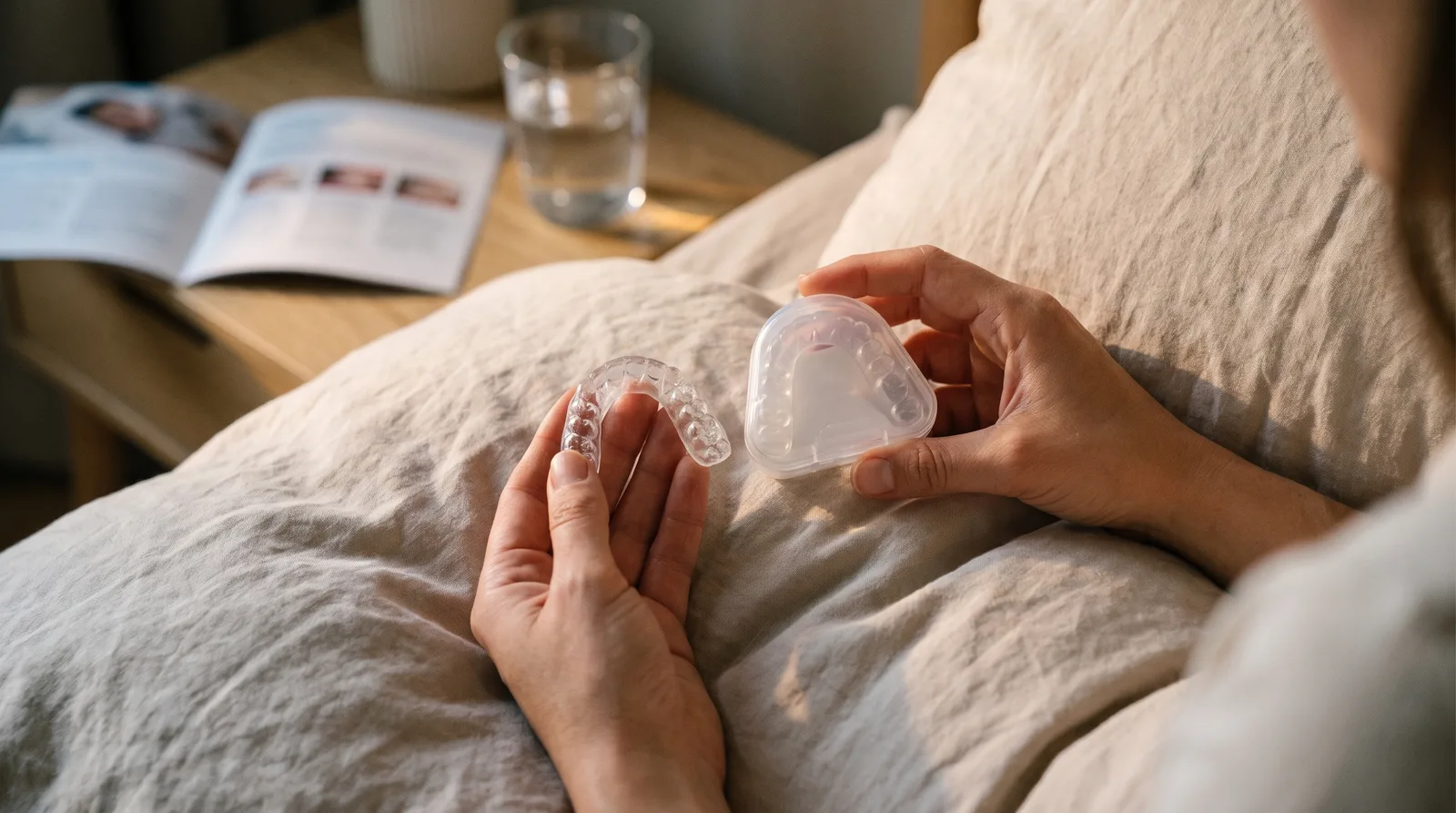
Learning how to choose a night guard starts with knowing that store shelves and dental offices sell two very different products under the same name. A drugstore boil-and-bite guard runs under $30, while a custom night guard from a dentist can cost $300 to $600. That gap trips up a lot of people searching for the best night guard for their situation.
This guide breaks down what separates custom-fitted and store-bought guards. It covers what actually drives the cost difference, and when a fast online purchase is fine versus when it can wear your teeth down faster than the grinding itself. If your jaw already feels sore in the morning, our preventive care team can check your bite before you buy anything. Getting that answer first saves you from buying the wrong guard twice.
What's the Difference Between a Custom and a Store-Bought Night Guard?
A custom night guard is molded from a digital scan of your teeth at a dental office, while a store-bought guard is a generic shell you trim or heat-fit at home. The custom version matches your bite exactly. The store-bought version only approximates it.
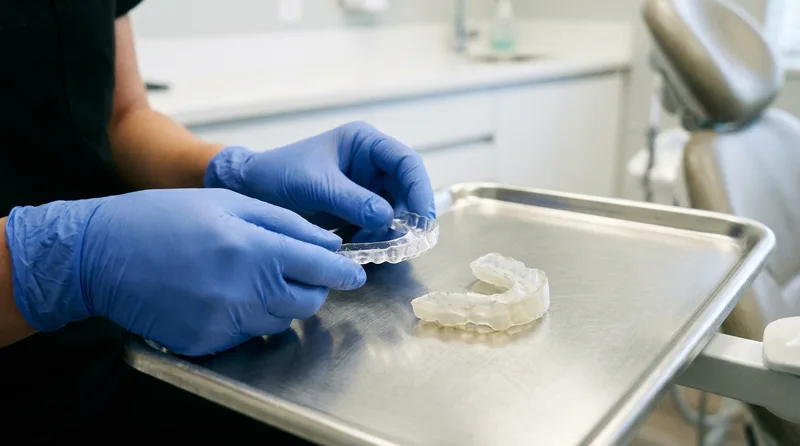
That difference sounds small until you actually wear both. A custom guard sits flush against your gum line, distributes clenching force evenly, and stays put through a full night. A boil-and-bite guard is bulkier, often loosens by 3 a.m., and can shift your bite slightly if it's not seated right. Dentists also adjust thickness based on how hard you clench: thin for mild grinders, thicker and more rigid for heavy grinders who might otherwise crack the material within months.
- Custom guards are thinner, so speaking and breathing feel more natural
- Store-bought guards come in one-size-fits-most shapes that rarely match your arch
- Custom guards use dental-grade acrylic; store versions use softer, less durable plastic
If you've never had your grinding evaluated, that's the real starting point, not the guard itself. A quick exam tells you which category you actually fall into.
How to Choose a Night Guard Based on Your Grinding Severity?
Mild grinders usually do fine with a thin custom guard or a well-fitted store-bought one. Moderate to heavy grinders need a thicker custom guard built to survive repeated force. Matching the guard to your grinding level matters more than brand or price.
Not everyone grinds the same way. Someone with mild, occasional clenching during stressful weeks puts less force on a guard than someone who grinds every night. Some grind hard enough to wake a partner. Wearing the wrong strength guard doesn't just wear out faster. It can also mask how bad your grinding actually is. A guard that's too soft flattens quickly and stops protecting your enamel.
Age and habits play a role too. Grinding often gets worse during high-stress stretches, so a guard that felt fine last year might not hold up now. Revisiting your guard type every few years, not just when it breaks, catches that shift early.
| Grinding Level | Signs | Recommended Guard |
|---|---|---|
| Mild | Occasional jaw tightness, no visible wear | Thin custom or well-fitted store-bought |
| Moderate | Morning headaches, flattened edges | Custom, medium thickness |
| Heavy | Cracked fillings, partner hears grinding | Custom, hard/dual-laminate |
If you're not sure which row fits you, that's normal. Most people underestimate their own grinding until a dentist checks for wear patterns.
How Much Does a Night Guard Cost From a Dentist vs. Store-Bought?
A store-bought night guard typically costs $10 to $30. A dentist-made custom guard runs $300 to $600, depending on the material and lab used. The higher price reflects a precise scan, lab fabrication, and a fitting appointment, not just markup.
That said, cost isn't the whole story. A store-bought guard that needs replacing every two or three months can add up over a year. A well-made custom guard often lasts three to five years with normal care. Run the math over five years and the gap shrinks fast. If you don't have dental insurance covering guards, ask about financing before ruling out the custom option. 360 Dental accepts CareCredit, Sunbit, and Cherry. The 360-VIP Membership plan includes exam visits that make evaluating and fitting a guard more affordable.
- Get an exam first, even if you plan to buy store-bought
- Ask your insurance whether occlusal guards are a covered benefit
- Compare the guard's expected lifespan, not just the sticker price
Are Boil-and-Bite Night Guards Safe to Use Long-Term?
Yes, boil-and-bite guards are safe for short-term or occasional use, but they're not built to hold up as a long-term fix night after night. Over months, the soft material compresses, loosens, and can stop protecting your teeth even though it still feels like it's doing something.
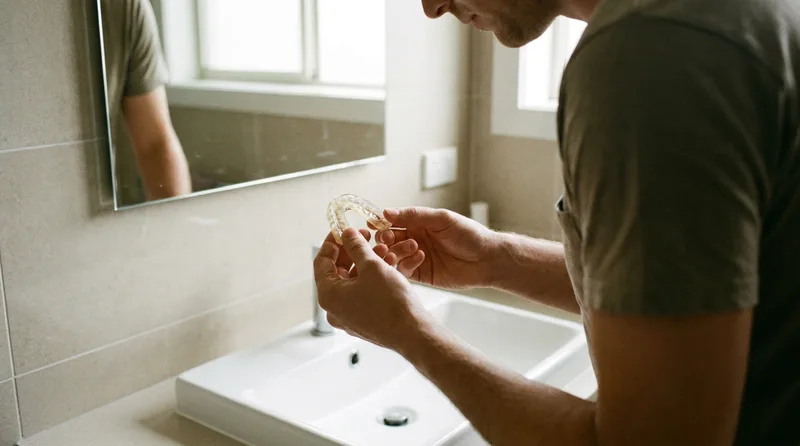
According to the Mayo Clinic, ongoing bruxism that isn't properly managed can eventually lead to chipped or loosened teeth, so the guard actually needs to keep working, not just be present. A guard that's gone thin or ill-fitting gives you a false sense of protection. That's the biggest long-term risk: not that a store-bought guard is unsafe on day one, but that people keep using a worn-out one long after it stopped helping.
A good rule of thumb: if you can flex or bite through a spot on your guard, or if it no longer seats snugly, it's time to replace it or move up to a custom option.
How Long Does Each Type of Night Guard Last?
A store-bought night guard typically lasts three to twelve months. A custom guard from a dentist lasts three to five years with proper care. Grinding intensity, guard thickness, and how you clean it all affect the real-world lifespan.
Heavy grinders wear through any guard faster than mild grinders. That's another reason matching guard type to grinding severity pays off over time. A guard that's cracked, thinned, or no longer fits snugly should be replaced right away rather than stretched for another few months. According to WebMD, checking a guard for wear every few months is one of the simplest ways to know when it's time to replace it.
How to Care for Your Night Guard
Storing the guard dry in its case, rinsing it after each use, and avoiding hot water all extend its life. Hot water warps the plastic, even on a custom guard.
- Rinse with cool water after each use, never hot
- Brush gently with a soft toothbrush, no toothpaste (it's abrasive)
- Store in a vented case, not a sealed bag, to prevent bacteria buildup
Already grinding through guards faster than expected?
That's usually a sign your current guard doesn't match your grinding severity. A custom fitting at 360 Dental solves that.
When Should You See a Dentist Instead of Buying Online?
See a dentist before buying a guard if you have jaw discomfort that doesn't go away, chipped or flattened teeth, or a partner who says you grind loudly every night. These are signs the damage is already ahead of a generic guard's ability to keep up.

A store-bought guard is a reasonable starting point for someone with mild, occasional grinding and no visible wear. But once there's real damage, fitting the wrong guard can waste months while your teeth keep taking hits. Research on bruxism management published via the National Library of Medicine notes that a dentist can also check whether jaw tension is contributing to headaches or TMJ symptoms, something a guard alone won't fix.
Related: Not sure whether your symptoms even point to grinding in the first place. See the signs you're grinding your teeth →
Choosing between custom and store-bought comes down to one question: how much force is your bite actually putting on your teeth every night? Get that answer first. The right guard follows naturally, whether that's an affordable drugstore option or a custom guard built to last years. Guessing wastes both money and enamel.
The fastest way to know how to choose a night guard that actually fits your situation is a short evaluation, not another hour of comparing products online. A five-minute check now can save years of avoidable wear.
Results may vary. Please consult with your dentist at 360 Dental for personalized treatment recommendations.
Find Out Which Night Guard Fits Your Bite
360 Dental checks your grinding pattern and fits the right guard the first time, no guesswork.
Prefer to talk it through first?
Call (818) 787-6400 →
Common questions
How do I choose between a custom and store-bought night guard?
Choose based on grinding severity and budget. Mild, occasional grinders often do fine with a store-bought guard, while moderate to heavy grinders need a custom guard built to handle repeated force without wearing thin.
What is the best night guard for teeth grinding?
The best night guard is the one matched to your bite and grinding intensity. A custom guard from a dentist fits precisely and holds up longer, which makes it the better option for anyone with visible tooth wear.
How much does a night guard cost from a dentist?
A dentist-made custom night guard typically costs $300 to $600, depending on the material and lab used. That covers a digital scan, lab fabrication, and a fitting appointment to confirm the bite is correct.
Are store-bought night guards safe to use every night?
Store-bought guards are safe for short-term or occasional use, but they compress and loosen over months. Using a worn-out guard long-term can give a false sense of protection while your teeth keep taking damage.
How long does a custom night guard last?
A well-made custom night guard typically lasts three to five years with normal care, including rinsing after use and dry storage. Store-bought guards usually need replacing within three to twelve months.
Can a night guard fix teeth grinding completely?
A night guard protects your teeth from grinding damage but doesn't stop the grinding itself. Persistent jaw tension or headaches alongside grinding are worth discussing with a dentist to check for related TMJ symptoms.
Did this answer your question?
Written for general reading, not as advice about your own teeth. Nothing here replaces an examination: if something hurts, or has changed, book a visit and let a dentist look at it.
Read next
 13 min readNight Guard for Teeth Grinding: Signs You Need OneA night guard for teeth grinding protects worn enamel overnight. Learn the signs you grind, guard types compared, and what a Van Nuys dentist checks first.Read the article
 11 min readHow Often Should You Get a Dental Cleaning, Really?How often should you get a dental cleaning? 360 Dental in Van Nuys explains who needs two visits a year, who needs four, and what changes the interval.Read the article
Your first visit
One ticket covers it.
360 Dental · Admit one